






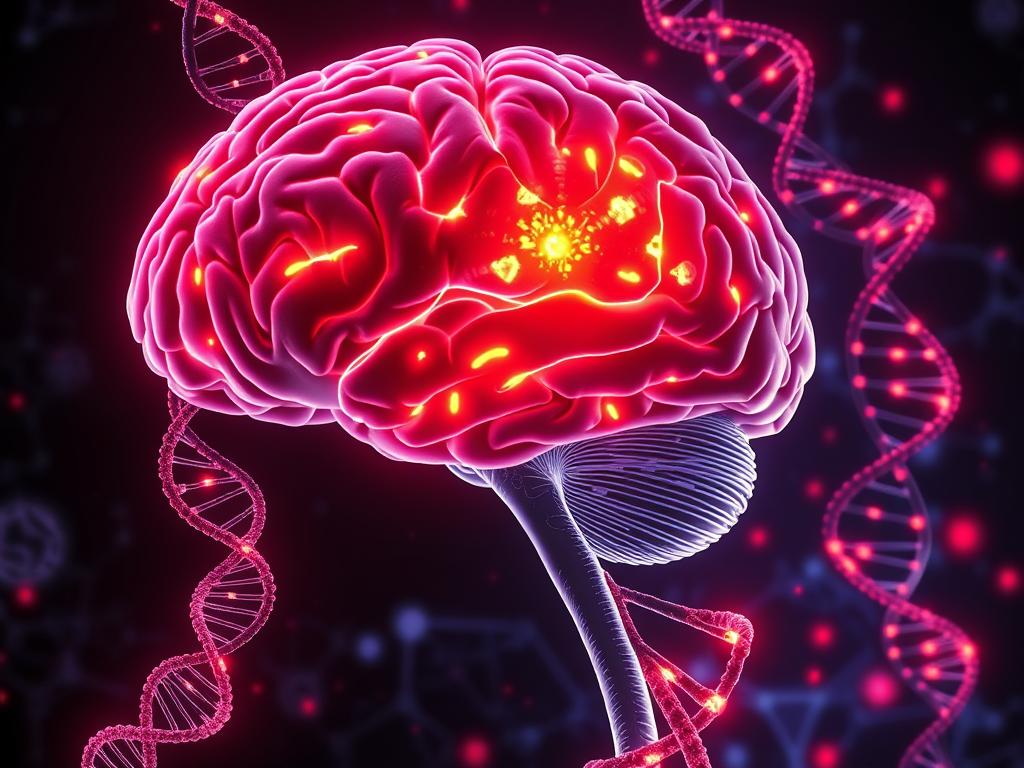
The recent findings on Chronic Traumatic Encephalopathy (CTE) have shone a light on the significant roles that inflammation and DNA damage play in its development. Traditionally associated with repeated head injuries, CTE has long been a shadow over contact sports and related activities. The latest research, however, pivots the focus towards underlying biological processes that could deepen our understanding of this debilitating condition.
Chronic inflammation has been identified as a potential key player in the progression of CTE. Inflammation is the body’s natural response to injury or infection; however, when it becomes chronic, it can lead to various problems. This prolonged inflammatory response may not only exacerbate symptoms but could also serve as a precursor to the actual neuropathology observed in CTE patients.
The investigation into DNA damage opens another avenue of exploration. Studies suggest that repeated physical trauma may disrupt the integrity of DNA, leading to mutations or other genetic irregularities. These aberrations could influence the severity and progression of CTE. Understanding how DNA damage intertwines with inflammation offers a pioneering approach to potentially mitigating the impacts of head trauma.
Considering these new insights, we might need to shift how we approach both the prevention and treatment of CTE. Targeting inflammation through medical interventions or lifestyle adjustments, alongside exploring therapies that repair or protect DNA, could redefine strategies currently in place. These findings urge the sports and medical communities to look beyond just protective gear and consider biological factors in crafting comprehensive solutions.
The significance of unraveling the complexities behind CTE underscores the broader implications this research holds for neurodegenerative diseases as a whole. By examining the role of inflammation and DNA damage, we not only advance our understanding of CTE but also carve pathways toward new therapeutic approaches that could alleviate suffering not just in athletes, but in many affected by similar neurological afflictions. Ultimately, these insights provide hope that with targeted interventions, we can not only better manage CTE but also perhaps change its trajectory altogether.