


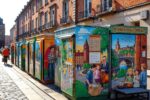

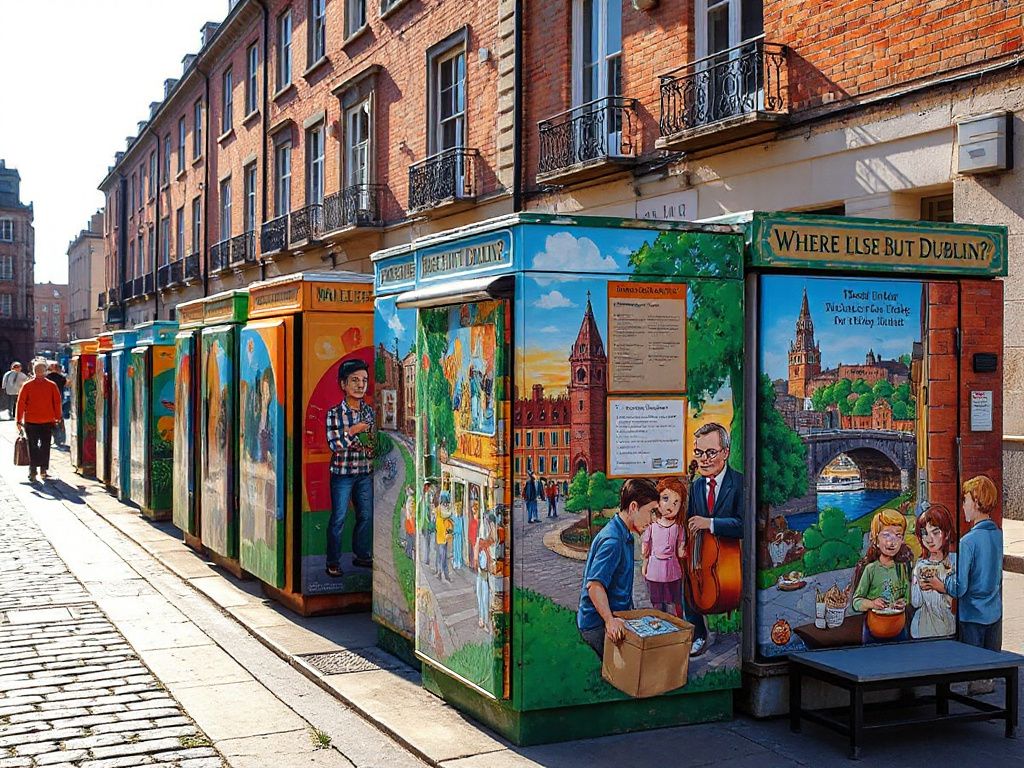
In a delightful fusion of public utility and artistic expression, the city of Dublin has extended an exciting opportunity to local artists: transform the everyday utility box into a vibrant piece of street art. Offering a stipend of $1000 per project, artists are called upon to bring the unique essence of Dublin to life on the typically overlooked infrastructural canvas. The theme of this creative undertaking, “Where Else But Dublin?”, invites artists to explore and express what makes their city truly one-of-a-kind.
The push to integrate art into public spaces highlights a growing trend among cities globally to blend functionality with creativity, making urban environments more engaging and visually appealing. This project not only embellishes the streets where these utility boxes are found but also fosters a deeper connection between the community and local artists. It becomes a shared celebration of local culture, history, and identity, anchored around the lively and dynamic spur of “Where Else But Dublin?”.
As the deadline for submissions approaches, aspiring contributors are busy crafting their proposals, each hoping to capture the spirit and diversity of Dublin. The prospects are as exciting as they are challenging: how does one distill the essence of a city, with its rich tapestry of people, stories, and traditions, into the limited confines of a metal box? Yet, it is precisely this challenge that is likely to ignite innovation and creativity among participants, resulting in art that not only beautifies but also narratively enriches the city’s landscape.
Beyond the allure of monetary reward, this initiative underscores the transformative power of art. It invites passersby to pause and engage with their surroundings, turning mundane routines into moments of cultural appreciation. Moreover, such projects can stimulate economic and social activity. Art installations can draw visitors, support local businesses, and create a sense of pride and belonging among residents.
In conclusion, Dublin’s utility box painting project is a commendable step towards nurturing public art and community solidarity. As artists race against the submission deadline, we are reminded of the power of creativity to transform spaces, perceptions, and lives. By encouraging artistic expression in everyday settings, the city not only enriches its visual landscape but also reinforces the notion that art is for everyone, everywhere. Indeed, where else but in Dublin can such a blend of history, culture, and community come together in such a unique public art initiative?