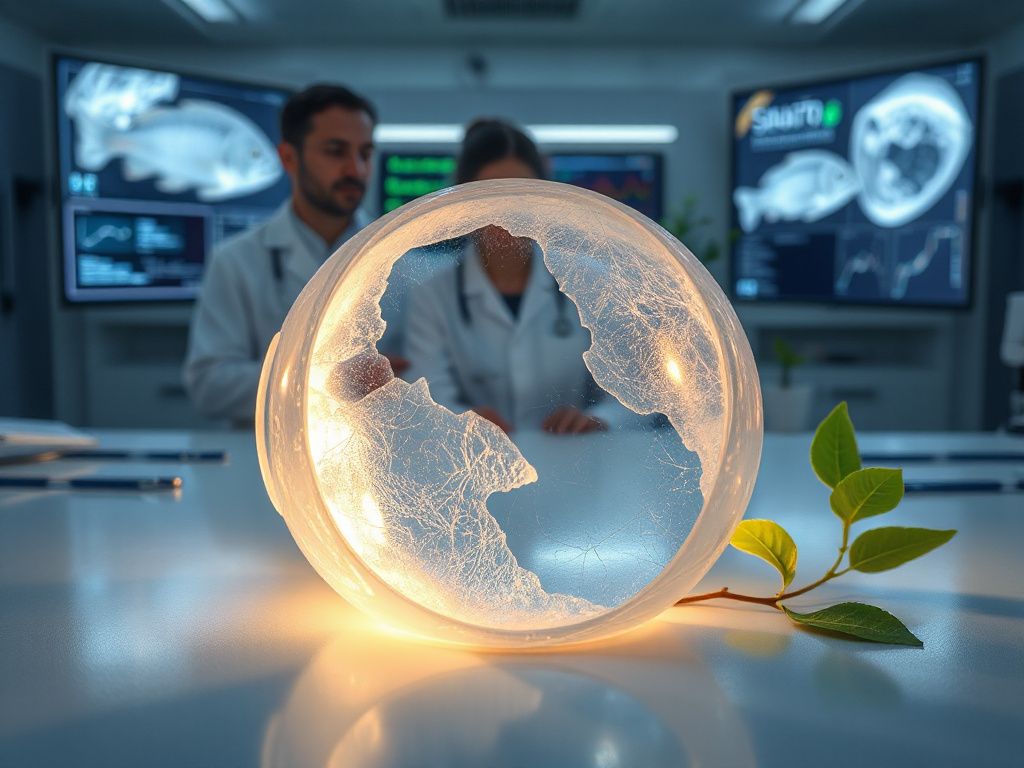
In the world of medical science, innovation often stems from the most unexpected places. Recent advancements from a group of researchers in Spain have opened a new chapter in ophthalmic care with their creation of an artificial cornea derived from fish scales. This breakthrough is steering us towards a future where the dire need for human organ transplants may no longer be the only option, particularly for those suffering from severe corneal damage.
Corneal problems have traditionally required transplants, a solution fraught with complications such as rejection, limited donor availability, and high costs. The introduction of fish scales as a base for creating biocompatible corneas marks a significant shift in addressing these challenges. By harnessing the natural properties of fish scales, which are rich in collagen, scientists have devised a method to bolster corneal repair without the prolonged wait or financial burden associated with organ donations.
This breakthrough could not only transform medical practices but also invigorate the fishing sector. The utilization of fish scales—typically a byproduct of the seafood industry—provides an eco-friendly and sustainable resource that turns waste into a crucial medical asset. It spotlights an innovative intersection of ecology and healthcare, driving an economic incentive for fisheries while providing a humanitarian benefit.
Spain’s development of this artificial cornea reflects a powerful trend in medical research: the pursuit of locally-sourced, sustainable materials to solve global health problems. By creatively repurposing natural resources, scientists can provide solutions that are both economically viable and widely accessible. This development is especially promising for developing nations, where medical resources are often limited and the cost of traditional solutions is prohibitive.
In conclusion, the marriage of fish scales with contemporary medical technology exemplifies the potential of resourceful innovation to address real-world problems. As this field continues to evolve, the prospect of reducing dependency on human donors while promoting sustainable practices holds exciting possibilities. Such an advancement not only signifies a promising future for corneal repair but also sets a precedent for how we might tackle other medical challenges in the future by exploiting resources that are already at our disposal.