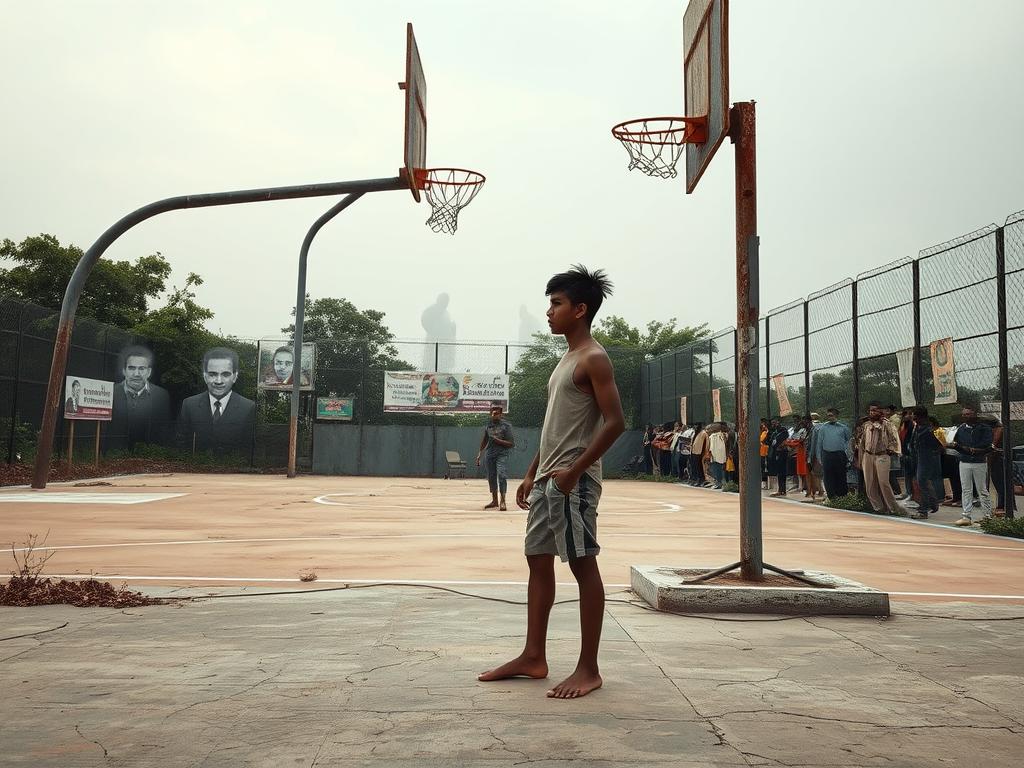
In a heart-wrenching turn of events, the sporting dreams of two young basketball enthusiasts in Haryana were tragically cut short when rusted poles, meant to support their athletic pursuits, fell and claimed their lives. This incident has shone a harrowing light on India’s fragile sports infrastructure, igniting a political firestorm as opposition parties blame the incumbent government for neglecting sports facilities. The state government has swiftly responded by suspending a district official and promising a thorough investigation. However, beyond the immediate measures, this tragedy calls for a broader reflection on how the nation values and supports its budding athletes.
Sports infrastructure is the backbone of athletic development, providing not just the physical equipment needed for training, but also offering a safe environment for youth to hone their skills. The unfortunate deaths of these teenagers underscore a systemic neglect that has been pervasive but often overlooked. While political ramifications are inevitable in such circumstances, the core issue transcends party lines. It’s about creating an environment where young athletes can aspire and compete without fearing for their safety due to preventable infrastructural failures.
In countries where sports hold a significant societal place, investment in athletic infrastructure is seen as an extension of national pride and identity. For India to cultivate world-class athletes, there needs to be a seismic shift in how sports facilities are conceptualized and maintained. This shift involves not only increasing government focus and funding but also fostering a culture where sporting bodies prioritize maintenance and safety as much as participation and competition. Such a reprioritization could prevent future tragedies and instill confidence in our young athletes and their families.
This tragic incident has galvanized a conversation about the broader state of sports in India, highlighting the disparities that exist between regions and various sports disciplines. Regions like Haryana have traditionally produced notable athletes, yet the underlying support systems often remain inconsistent and outdated. This disparity creates a bottleneck where talent may blossom but eventually falters under the weight of inadequate support. It’s crucial for stakeholders, including government officials, educational institutions, and private entities, to collaborate and ensure that sports facilities are modernized and consistently assessed for safety.
As we reflect on this tragedy, it becomes apparent that meaningful action must follow the outrage. Rather than temporary measures, what’s required is a comprehensive plan to overhaul the sports infrastructure across the country. Such investment not only honors the memories of these young souls but also empowers future athletes to pursue their passions without fear. This is a pivotal moment for India to break free from the shackles of outdated systems and lay the groundwork for a promising sporting future. The memories of these young athletes should inspire lasting change, ensuring no dream is prematurely extinguished due to preventable negligence.