In an age where storytelling holds immense power, filmmakers are now finding themselves under intense scrutiny to honor cultural authenticity. The recent legal threat aimed at the producers of the upcoming film ‘You’re No Indian’ draws our attention to this growing demand for accuracy in cinematic narratives revolving around indigenous identities. As the project faces legal challenges, it also opens a crucial dialogue on how cinema can better honor the lives and heritage it seeks to portray.
While the legal dispute primarily seeks to address potential misrepresentations within the film, it raises broader questions about the role of filmmakers in responsibly portraying diverse cultures. The pressure is mounting on Hollywood to move beyond superficial representation and foster deeper engagement with communities depicted in their narratives. This requires filmmakers to engage in meaningful consultations with community representatives to ensure their stories are not only accurate but resonate truthfully with reality.
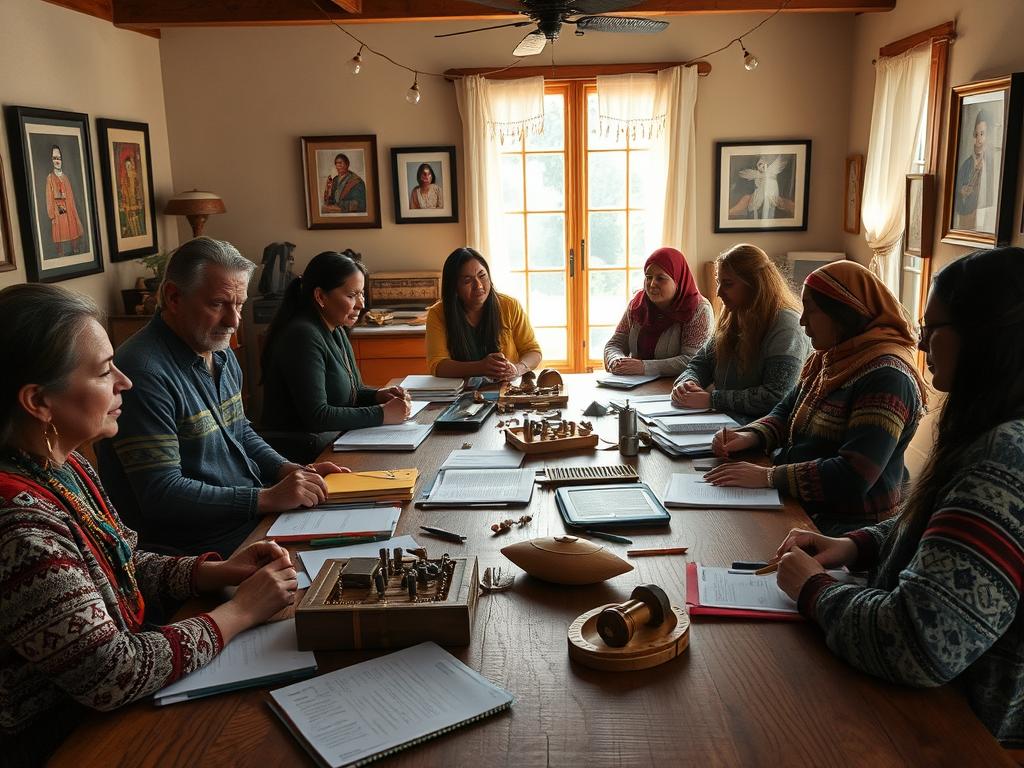
The filmmakers behind ‘You’re No Indian’ have expressed their dedication to rectifying the concerns and engaging in constructive dialogues with representatives from the Native American community. Their commitment underscores an important shift in the industry towards collaborative efforts aimed at telling stories that are both captivating and culturally sensitive. This approach not only helps elicit authenticity but also builds trust with audiences who seek respect for the cultures represented on screen.
Such challenges and the responses they provoke highlight an evolving understanding of storytelling where inclusion and accuracy are pivotal. The film industry stands at a crossroads; stakeholders are beginning to realize that genuine representation can enrich the narrative while also promoting cultural pride and integrity. Moreover, it fosters a new kind of audience engagement that thrives on education and awareness rather than mere entertainment.
As ‘You’re No Indian’ navigates its legal hurdles, it stands as a reminder that respecting cultural heritage is not just a moral obligation but an opportunity to enhance storytelling. By embracing dialogues and prioritizing accuracy, filmmakers have the power to transform the industry landscape, fostering a future where every voice and story is given due respect and told with honesty. This journey requires a robust commitment, but the resulting narratives will undoubtedly be richer and more resonant.