






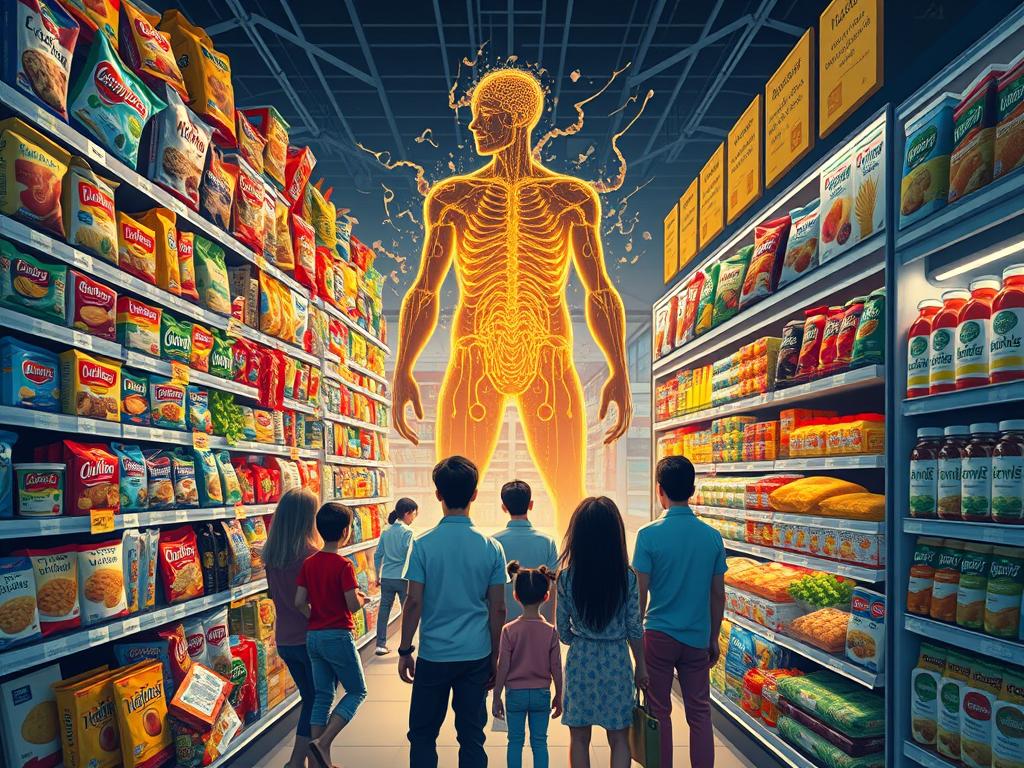
In a world where convenience often trumps health, ultra-processed foods have silently infiltrated our daily diets, creating a global public health dilemma that experts are now urging us to confront. These foods, which are characterized by their long ingredient lists featuring unpronounceable additives and preservatives, are increasingly being pinpointed as significant contributors to the growing epidemic of chronic diseases. From heart ailments to obesity and diabetes, the correlation between these manufactured food items and debilitating health conditions is becoming more apparent. But what exactly makes these foods so dangerous?
Ultra-processed foods are appealing for their ease and affordability, often dominating supermarket shelves with their vibrant packaging and promises of convenience. However, the reality is that these foods are nutritionally poor and carry health costs far beyond their enticing price tags. Researchers argue that the high levels of added sugars, unhealthy fats, and sodium in these foods contribute significantly to dietary imbalances and nutrient deficiencies. Their hyper-palatability, designed to foster overconsumption, makes them all the more harmful. It’s a classic case of “hidden” ingredients wreaking havoc on unsuspecting consumers.
Notably, a burgeoning movement toward transparency has given rise to non-UPF certification standards, especially within the plant-based meat and dairy sectors. This new standard aims to ensure that consumers are better informed about what exactly goes into their food, paving the way for more health-conscious decisions. By opting for non-ultra-processed alternatives, individuals can mitigate the risks associated with their dietary choices, embracing a lifestyle that fosters well-being and longevity. It’s a promising stride towards reclaiming control over our food consumption and, ultimately, our health.
The societal burden of ultra-processed foods doesn’t come cheap. While they may offer immediate cost savings, the long-term health care costs associated with diet-related diseases are staggering. Public health advocates are increasingly voicing concerns about this unsustainable model, which sacrifices long-term health benefits for short-term economic gains. Educational campaigns and policies promoting whole and minimally processed foods are essential in countering this trend and should be seen as a critical investment in our collective future.
In conclusion, addressing the ultra-processed food crisis requires concerted efforts from consumers, industry players, and policymakers alike. The path forward involves education, transparency, and a cultural shift towards valuing nutrition over convenience. By becoming more mindful of our food choices and supporting initiatives that prioritize health over profits, we can begin to dismantle the grip that these foods have on our lives. The health of future generations depends on the actions we take today.