






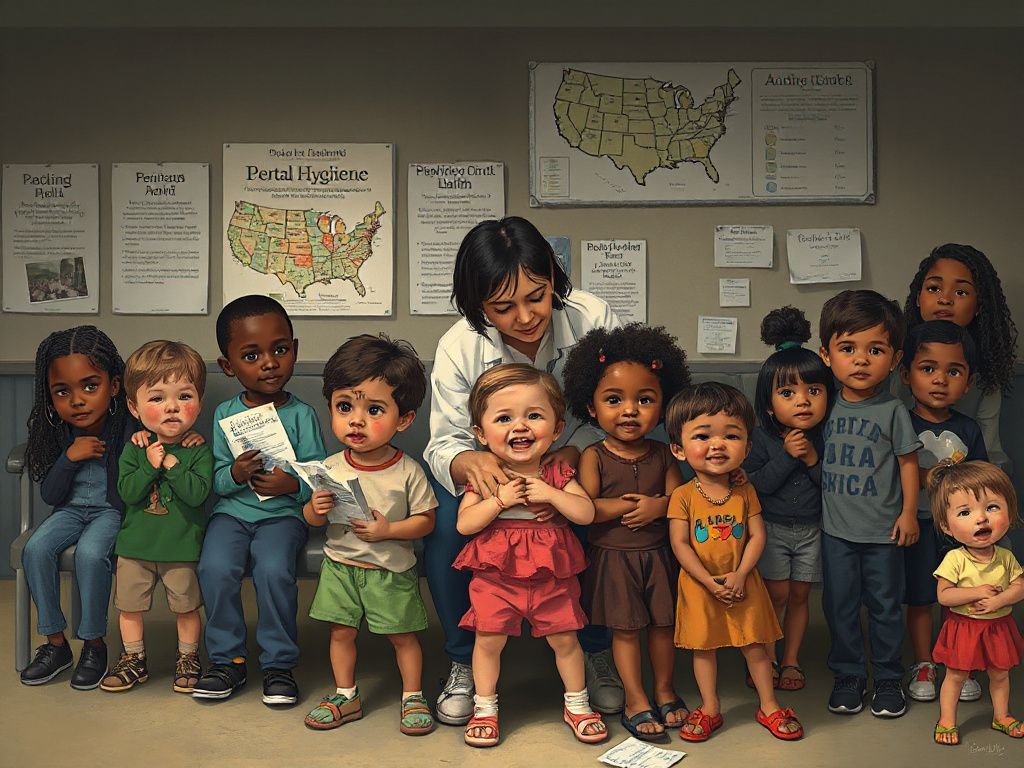
The health of a child’s smile can often be taken for granted until it becomes a concern warranting hospital admission. A recent exploration into the socio-economic determinants of dental-related hospital admissions in the United States shines a light on the profound impact of economic disparities on children’s oral health. Conducted via the National Kids’ Inpatient Database, the study uncovers unsettling correlations between socio-economic status and the frequency of dental emergencies among the nation’s youth.
Dental health, traditionally regarded as a peripheral concern, is starkly illuminated by this study as a critical public health issue. The research highlights that children from lower-income families are significantly more prone to dental-related hospitalizations. These findings reflect broader systemic issues, where limited access to preventive care and education heightens the risks of oral complications, often demanding urgent medical intervention.
Equally revealing is the geographical discrepancy in dental-related admissions, suggesting that where a child lives can drastically influence their health outcomes. Rural areas, often plagued with fewer dental care providers and heightened poverty levels, see higher rates of hospital admissions for pediatric dental issues. This paints a picture of healthcare inequality that invites a thorough examination of resource allocation and policy effectiveness aimed at bridging this urban-rural divide.
What emerges from this analysis is a call to action for a comprehensive overhaul in public health policy. Advocating for increased federal and state-level funding in dental care services and education, especially in underserved communities, could mitigate these issues. Mobile dental clinics, outreach programs, and inclusive health education from an early age are potential solutions that can make a tangible difference in ensuring children receive proper preventive care regardless of their socio-economic background.
The findings of this research underscore a crucial narrative: dental health is deeply woven into the fabric of socio-economic wellbeing. Addressing these disparities is not just about preventing cavities but about cultivating a healthier, more equitable society. Ensuring every child has access to the dental care they need is a foundational step in promoting public health and preventing a significant number of these hospital admissions. By focusing on such socio-economic factors, we can aim to make dental health disparities a concern of the past and ensure all children the bright smiles they deserve.