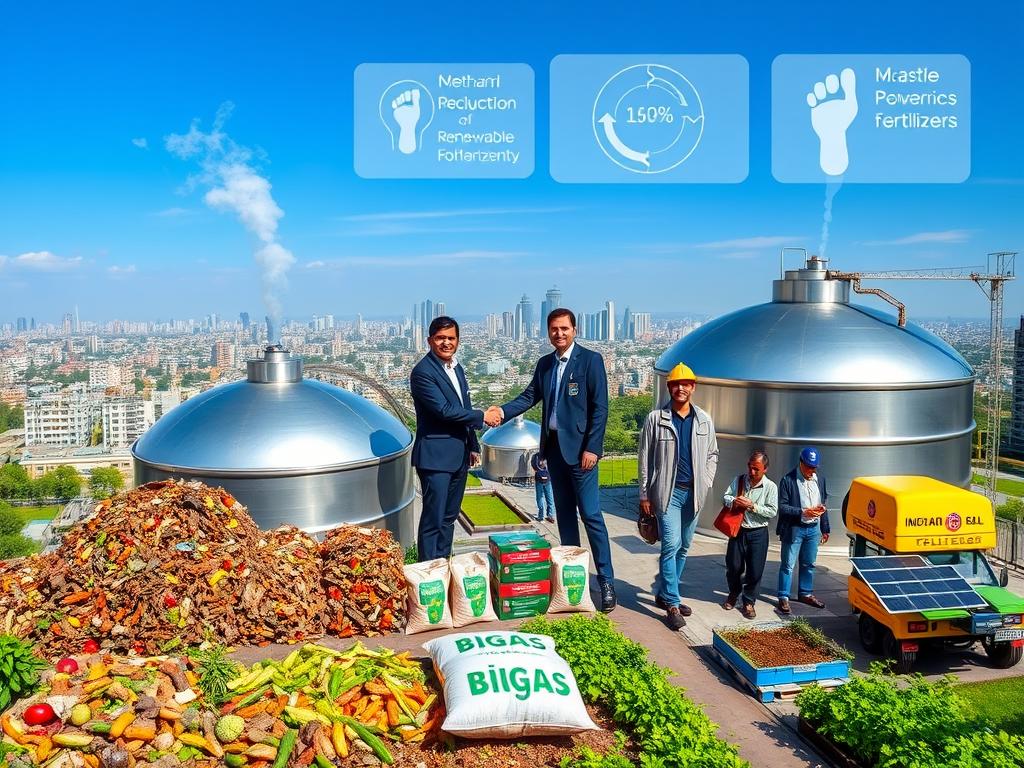
In an inspiring move towards sustainable energy solutions, the collaboration between the Municipal Corporation (MC) and Indian Oil Corporation Limited (IOCL) has paved the way for setting up a new biogas plant. This partnership showcases a commitment to integrating cleaner energy sources in urban waste management systems. As cities worldwide grapple with the twin challenges of waste management and environmental sustainability, this ambitious project holds significant promise.
Biogas plants convert organic waste into renewable energy, thereby addressing multiple environmental issues such as methane emissions and landfill overflows. The agreement between MC and IOCL signifies more than just a business deal; it is a step toward creating a circular economy model where waste is systematically recycled into valuable resources. This could propel a shift in how cities view waste, transforming it from a liability into a profitable asset.
Collaboration between organizations such as MC and IOCL highlights the critical role of public-private partnerships in driving environmental initiatives. These collaborations bring together resources, expertise, and strategic oversight necessary to implement large-scale infrastructure projects. IOCL’s extensive experience in energy solutions combined with the municipal corporation’s local governance and community outreach capabilities create a robust framework for the plant’s success.
As the project unfolds, it promises not only to reduce the carbon footprint but also to create economic opportunities. By introducing biogas production, the initiative is expected to generate employment in technology operation and waste collection sectors. Furthermore, it has the potential to incentivize local farmers and businesses by providing a stable supply of organic fertilizers and clean energy alternatives.
In conclusion, the agreement between MC and IOCL to establish a biogas plant is a visionary step toward achieving urban sustainable development. It exemplifies the potential of innovative partnerships in addressing complex environmental challenges. As we witness the impact of such initiatives, it becomes evident that investing in sustainable infrastructure is not merely an option but a necessity for future-ready cities.