






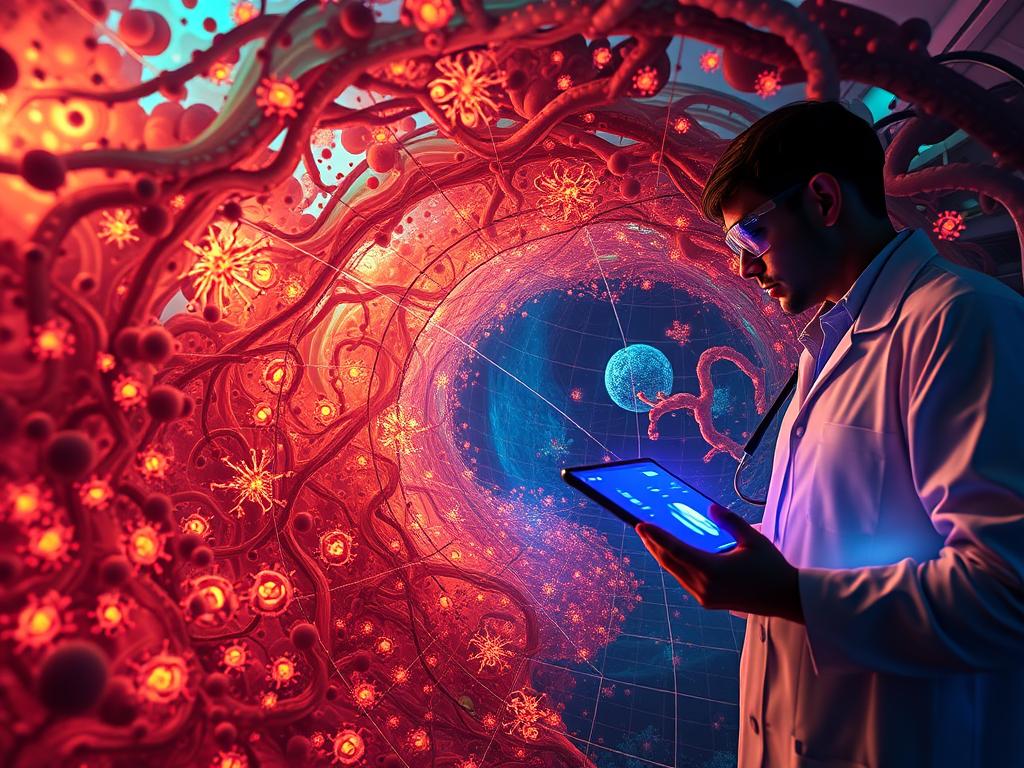
The human gut is a world unto itself, teeming with trillions of bacteria, viruses, and fungi. These microscopic inhabitants play a pivotal role in our overall health, influencing everything from digestion to immunity. Recently, advancements in technology have made it increasingly possible to delve deeper into how these gut microbes interact and affect our well-being. A groundbreaking new tool promises to shed light on this intricate ecosystem, marking a significant leap forward in microbiome research.
This innovative tool aims to unravel the complex symphony of microbial interactions within our digestive system. Traditionally, studying gut microbiomes involved broad-spectrum analysis, likened to viewing a forest from a mile away. This new approach, however, offers a close-up view, allowing researchers to observe individual ‘trees’ within the forest. By using advanced data analytics and machine learning, scientists can now dissect and map these interactions with unprecedented precision, offering insights into how specific microbes contribute to health and disease.
One of the most promising aspects of this development is its potential to personalize medical treatments. Understanding the unique microbial composition of an individual’s gut could lead to tailored therapies that address specific imbalances or deficiencies. For instance, conditions like inflammatory bowel disease or even certain metabolic syndromes might be better managed through targeted interventions directed by insights gained from this tool. The era of one-size-fits-all treatment could be moving toward a more customized, precise care model.
Moreover, this tool’s application is not restricted to treatment alone; it holds significant promise for preventive healthcare. By identifying early shifts in the gut microbiome that signal potential health issues, interventions can be initiated before symptoms manifest, thus maintaining health rather than just curing disease. This proactive approach could revolutionize how we think about and manage wellness, positioning gut health at the center of preventive medicine strategies.
In conclusion, the unveiling of this sophisticated tool marks a new chapter in understanding the gut microbiome’s role in human health. As research continues to progress, we can expect to uncover even more about this fascinating microbial universe within us. Ultimately, these insights will not only advance our scientific knowledge but could fundamentally transform healthcare delivery, leading to more informed, effective, and personalized health solutions. The gut, long referred to as our second brain, may indeed hold more of life’s secrets than we ever imagined.