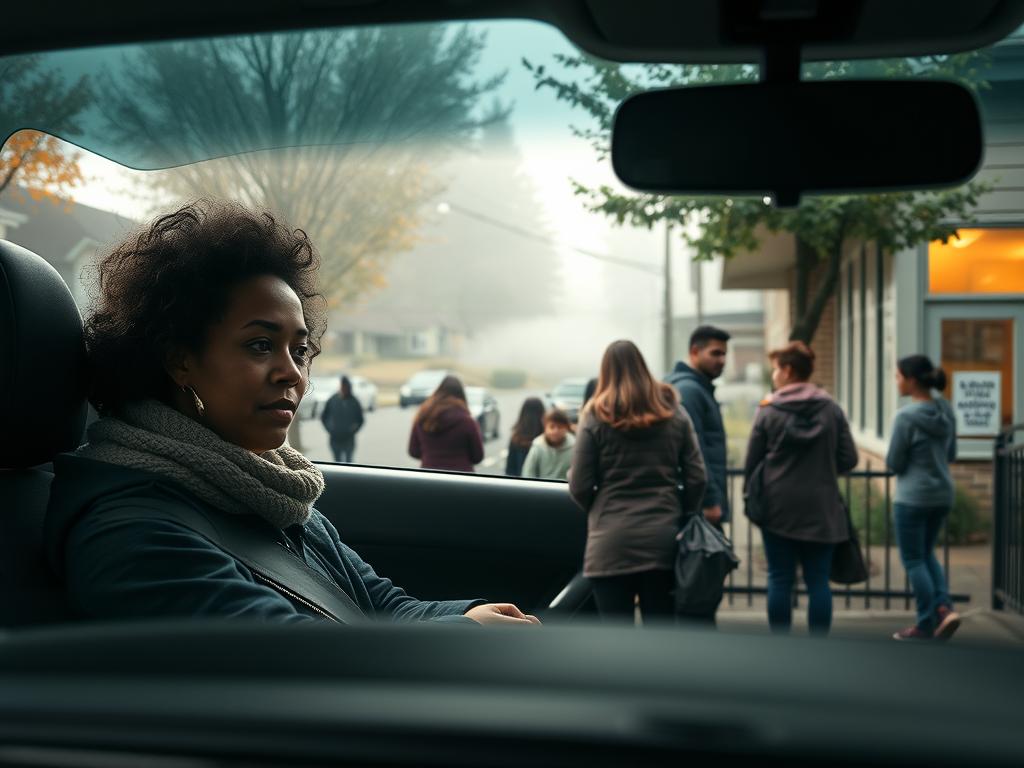
Seattle’s morning serenity was abruptly shaken recently, an event that underscores the pervasive atmosphere of anxiety that now blankets many communities. The scene was commonplace—a mother driving her young son to his preschool in picturesque Issaquah. Yet, with the tightening grasp of ICE enforcement, these everyday moments are laden with tension and dread, especially for families grappling with fear of detention and deportation.
The recent incident involving immigration authorities has sparked a cautious approach among parents and caregivers alike, igniting concern over the safety and security within child care facilities. With children being the centerpiece of countless households, the fear of custody loss or family separation after an ICE encounter weighs heavily on parents’ minds. This has cultivated an elusive yet real ‘atmosphere of fear,’ transforming routines into fraught undertakings, especially in regions with diverse immigrant populations.
For many in the Seattle metropolitan area, the presence of immigration enforcement impacts everyday decisions—from choosing schools to participating in community events. Stories of ICE visits have begun seeping into conversations at school gates and park meet-ups, forming a constant background buzz that douses natural parental interactions with trepidation. In such a climate, both familial harmony and child education potentially suffer as fears mount about open engagement and attendance at community-childcare hubs.
Policy advocates and local leaders continue to emphasize the need for clear communication and community support to mitigate these concerns. Schools and childcare centers are urged to become sanctuaries, where fear is replaced with trust and reassurance. Concerted efforts are required not just from the authorities but also from community figures to assuage fears and foster environments that prioritize the well-being and safety of every child, regardless of their family’s legal status.
In conclusion, the shadows cast by ICE enforcement present profound challenges to childcare universally, yet also offer an opportunity for communities to band together and reinforce bonds. The collective effort to protect and nurture every child’s right to an education free from fear must take precedence, ushering in a commitment to compassion over caution. These times demand we create welcoming spaces where children can learn and grow, free from the looming clouds of anxiety and fear.