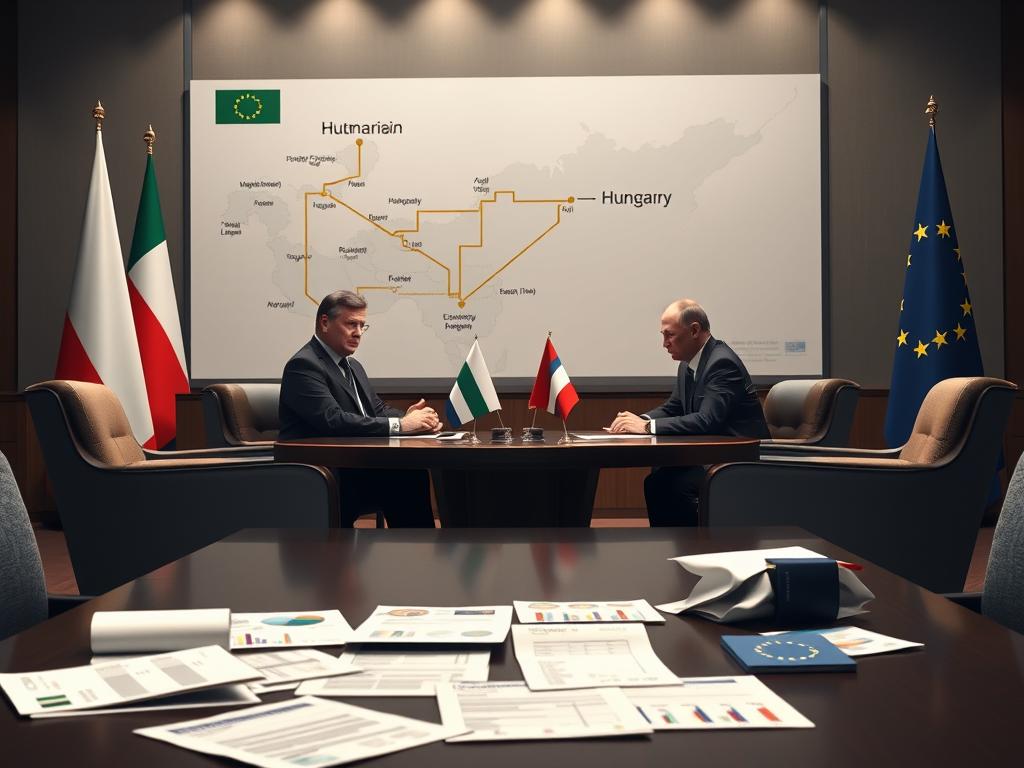
In a world where geopolitical dynamics are as volatile as ever, Hungarian Prime Minister Viktor Orban’s recent meeting with Russian President Vladimir Putin has sparked significant interest. Orban’s commitment to maintaining Russian oil imports, despite the European Union’s push for energy diversification away from Russian sources, showcases a complex balancing act that Hungary seems determined to perform. Orban’s statements underscore his pragmatic approach to national energy security, prioritizing economic stability over political alignment.
Energy security has become a pressing issue for several nations, particularly in the European Union, which is keen to reduce its dependence on Russian energy. Hungary, however, finds itself in a unique position, tethered by historical energy agreements and logistical considerations. Prime Minister Orban’s remarks highlight a broader strategy of prioritizing what’s perceived as beneficial for Hungary’s economy, even when it might place the country at odds with its EU partners. This decision, while rooted in practicality, could heighten tensions within the bloc as it strives for a unified stance on energy independence.
Orban’s stance isn’t just about economic pragmatism; it’s also a reflection of the broader political ideologies that his government espouses. While Hungary is a member of the European Union, Orban’s government often charts its own course, advocating for national sovereignty over supranational directives. This maneuvering not only solidifies Orban’s domestic position but also bolsters his image as a leader who puts national interests first. His decision to continue purchasing Russian oil needs to be viewed within this context of maintaining strategic autonomy.
The implications of Hungary’s decision are significant. On the one hand, Hungary secures a stable energy supply that is crucial for its economic stability. On the other hand, this choice might lead to diplomatic friction with the EU, which has been striving for a cohesive policy front to reduce reliance on Russian energy. The broader EU response remains to be seen, but it is likely that Orban’s defiance will prompt discussions on how to accommodate varying national interests within a unified strategy.
In conclusion, Orban’s pledge to continue purchasing Russian oil highlights the inherent tension between national interests and collective policy goals within the EU. While this move may seem like a defiance of broader EU initiatives, it underscores the necessity of pragmatic approaches to national energy policies while navigating complex international relationships. As Hungary pursues its energy strategy, the EU will be challenged to rethink how it addresses varying dependency issues among its member states, reflecting a broader theme of balancing national sovereignty with collective unity.