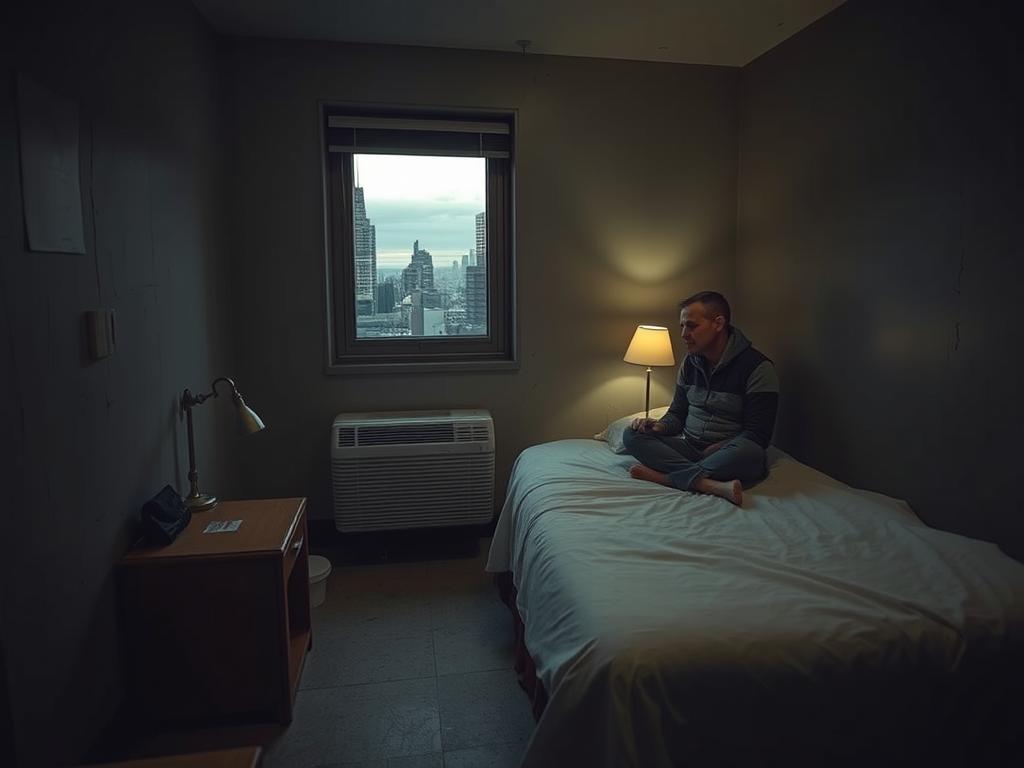
In the bustling metropolis of New York City, hotels have transformed from temporary sanctuaries for weary travelers into a surprising cornerstone of the city’s approach to homelessness. While the Big Apple has historically grappled with its growing homeless population, the reliance on hotels signifies a shift in strategy that is as necessary as it is controversial. A convergence of necessity and convenience has led city officials to use these transient spaces as stopgap solutions, but this approach comes with its own set of challenges.
The root of this hotel reliance stems from the city’s shortage of traditional shelters and affordable housing options. As the need for immediate, widespread solutions grew, hotels became the default choice due to their pre-existing infrastructure and availability. With rooms ready to be repurposed at a moment’s notice, they provided a rapid albeit temporary fix. Yet, this raises critical questions about the long-term sustainability of such a measure and whether it truly addresses the multifaceted nature of homelessness.
One of the most significant downsides to this strategy is the lack of comprehensive support services that are often integral to combating homelessness effectively. Traditional shelters usually provide more than just a roof—they offer vital services, including mental health support, employment assistance, and basic life skills training. Hotels, by contrast, lack these facilities, leaving residents without the support they need to transition back into stable, independent living situations.
Moreover, the practice of using hotels as shelters impacts not only those being housed but also the neighborhoods they occupy. The economic implications for hotels are mixed; while some benefit from city contracts, others find their brand and conventional business suffering. Communities may also experience tension, as residents grow concerned over public safety and neighborhood identity. These nuanced dynamics highlight that while hotels might serve as an immediate answer, they are far from an ideal solution—and potentially sow discord within the city’s fabric.
Ultimately, New York City’s dependence on hotels underscores a critical need for long-term planning and investment in permanent supportive housing and comprehensive service models. Only through these efforts can the city hope to offer its homeless population true stability and a pathway out of their circumstances. As New York continues to innovate in its quest to act both compassionately and effectively, it needs to ensure that these temporary measures do not overshadow the enduring need for systemic change. The challenge lies not just in housing the homeless, but in doing so in a manner that restores dignity and offers hope for a better future.