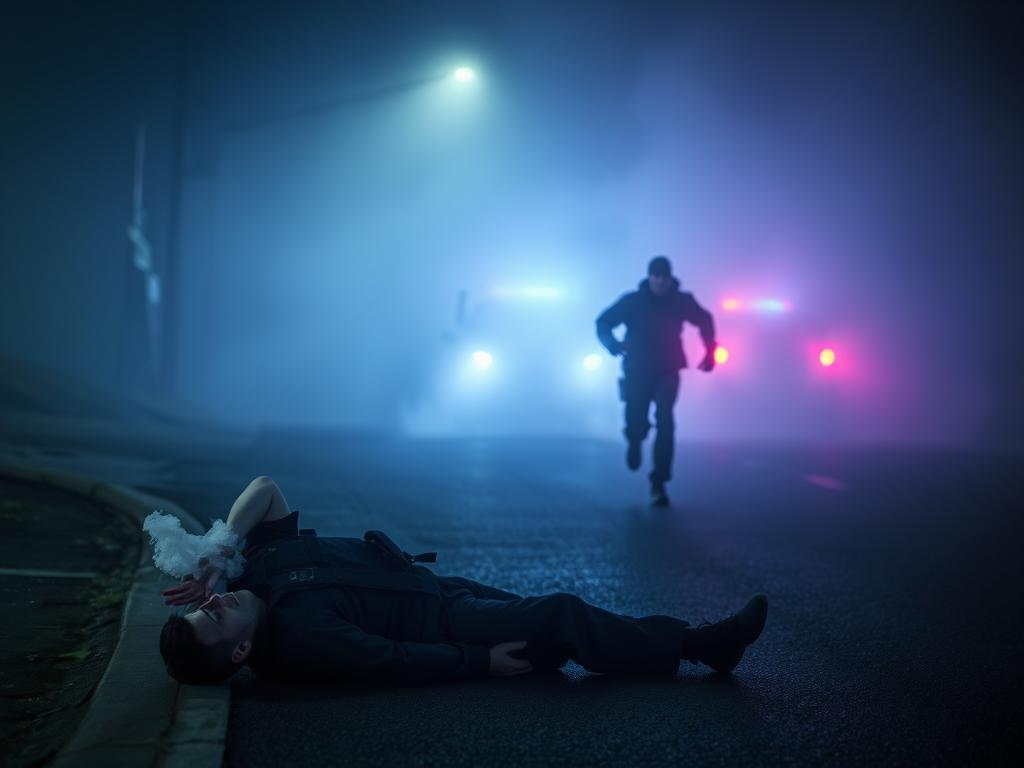
In a bizarre tale that could have leapt straight from the pages of a crime novel, a man was arrested after allegedly rendering a police officer unconscious and making a daring escape into the enveloping fog. The incident unfolded in the north state, and it has left local communities buzzing with questions about the circumstances of his brief but audacious flight from justice.
Details are still emerging about what led to the initial confrontation between the officer and the suspect, but reports suggest that the altercation escalated rapidly, culminating in the officer being knocked out. Taking full advantage of the dense, misty veil, the suspect disappeared momentarily into the eerie obscurity—a reminder of how unpredictable criminal encounters can be.
From a security and procedural standpoint, this incident exposes potential vulnerabilities in managing on-the-ground confrontations. It’s crucial for law enforcement agencies to review protocol to better prepare officers for unexpected scenarios, especially ones involving impaired visibility. The role that environmental factors like fog can play in law enforcement raises questions about what additional training or equipment might bolster officer safety and suspect apprehension in such conditions.
The public, seeing such stories, may empathize with the challenges police officers face daily, often without prior knowledge of who or what they might encounter. Yet, it also underscores the importance of balanced narratives that consider not only the accused’s actions but also the systemic responses to such tensions, asking if enhancements in police training might prevent similar occurrences in the future.
Ultimately, the fog that aided this suspect’s brief getaway serves as a metaphor for the murky details that accompany many criminal stories. As investigations proceed and more facts come to light, the community is reminded of their role in supporting safety initiatives while demanding transparency and effectiveness in law enforcement operations. Unraveling such incidents constructively ensures that foggy nights don’t easily become escapes for more serious lapses in safety and security.