Pastor Victor Kanyari, a name frequently in the headlines for his provocative claims, has recently made waves with his assertions about Geoffrey Mosiria, the former Nairobi Environment Chief Officer. According to Kanyari, Mosiria was reassigned not for professional shortcomings but due to alleged disrespect toward him, a man he dubs an ‘anointed servant of God.’ This claim has sparked a mix of skepticism and intrigue among Kenyans, casting a spotlight on the often contentious interplay between religious figures and public officials.
The heart of this saga lies in an incident where Mosiria reportedly admonished Kanyari for roasting meat on church grounds, a seemingly minor infraction that has escalated into a claim of divine retribution. In his recounting, Kanyari attributes Mosiria’s demotion to the spiritual forces at play, perhaps suggesting that in the delicate dance of respect and reverence, the spiritual balances outweigh secular duties. Kanyari insists he did not personally curse Mosiria, yet implies that a higher power intervened on his behalf.
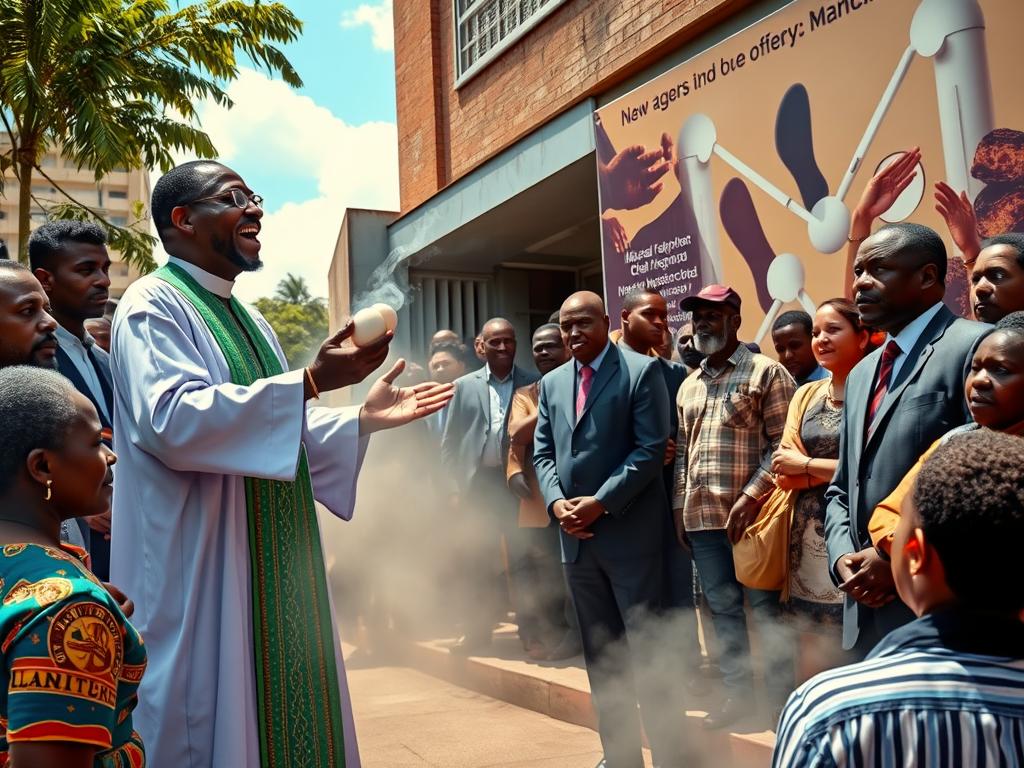
Adding a layer of curiosity to the narrative is Kanyari’s revelation of a ritual involving two eggs, symbolizing his quest for ‘spiritual justice.’ While such practices might raise eyebrows in some quarters, they provide a fascinating glimpse into the pastor’s belief system and the lengths he claims to have gone to correct what he perceived as a slight. For Kanyari to publicly share these rituals might also indicate his confidence in his spiritual authority and the impact he believes it wields.
Geoffrey Mosiria, known for his robust approach to environmental challenges like illegal dumping and noise pollution, has been reassigned to head Citizen Engagement and Customer Service. This career shift might suggest a strategic realignment by Governor Johnson Sakaja rather than the mystical influence claimed by Kanyari. However, the pastor’s narratives have certainly added an unconventional twist to what might otherwise appear as a routine administrative reshuffle.
In considering this curious blend of spiritual drama and public administration, one cannot help but ponder the continuing role of religious influence in public life. Regardless of whether one views Kanyari’s claims as credible or fantastical, they undeniably shed light on the dynamic interactions between faith-based figures and governance. As public discourse evolves, it remains essential to critically evaluate such claims while acknowledging the broader cultural contexts in which these intriguing stories unfold.