





In the complex world of rare genetic diseases, parents and caregivers often find themselves navigating a labyrinth of challenges. These conditions, by their very nature, affect only a small fraction of the population. This rarity can lead to feelings of isolation among the families caring for these individuals. However, a new beacon of hope has emerged in recent years, found in a place surprisingly connected: social media.
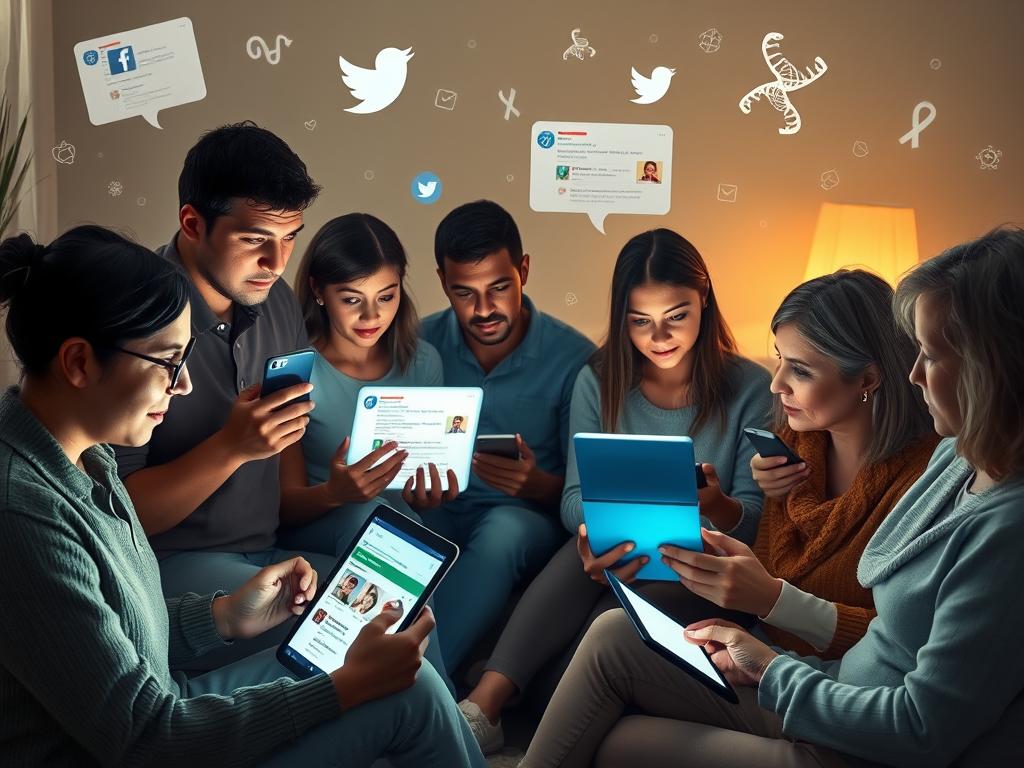
Social media platforms have, for many parents and caregivers, become more than just a window into the lives of long-lost friends or a site for nightly doomscrolling; they’ve evolved into lifelines. Online communities on platforms like Facebook, Twitter, and specialized groups offer not just information, but emotional support and a sense of camaraderie. It’s here that caregivers can share experiences, swap advice, and, perhaps most importantly, feel understood in a world that often can’t relate to their unique challenges.
Research has indicated that these social media interactions aren’t just about venting frustrations or forming friendships. They are critical for knowledge exchange. With the scarcity of information about rare diseases, gaining insights directly from others in similar situations can be as valuable as any medical journal. Caregivers find themselves at the forefront of disease advocacy, using these platforms to raise awareness, combat misinformation, and push for medical advancements and policy changes.
It’s essential, however, to approach these digital communities with caution. While the sharing of personal stories and medical experiences can be incredibly beneficial, it also runs the risk of spreading misinformation or triggering unwarranted fear. Users need to critically evaluate the information they encounter and consider the source’s reliability. This highlights the importance of healthcare professionals’ involvement in these spaces, potentially offering verified information or debunking myths.
In conclusion, social media has become an indispensable tool for many caregivers of children with rare genetic diseases. It serves as both a support system and a knowledge base, empowering individuals through connection and shared experience. As these online communities continue to grow, they represent a dual-edged opportunity for empowerment and advocacy, underscoring the profound impact of digital empathy in the modern world.