






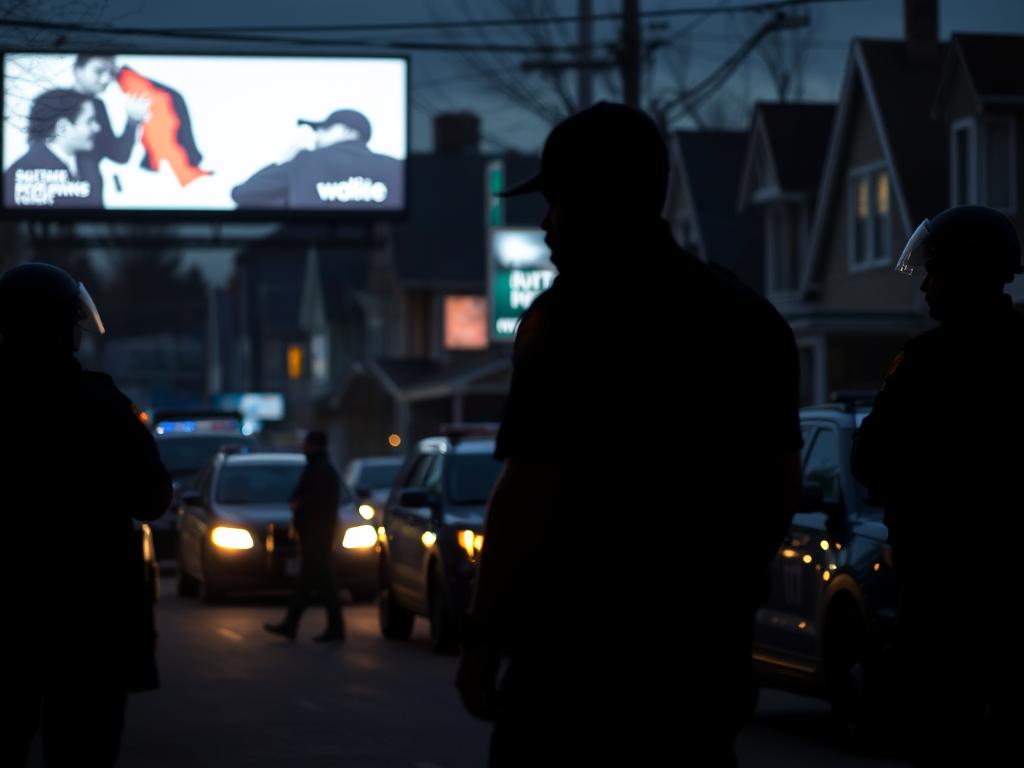
The news from Portland has taken a disturbing turn as a local individual, John Paul Cupp, finds himself at the center of a serious legal storm. Charged with making hostile threats against law enforcement officers and their families, the case underscores a critical issue of public safety vs. civil liberties. This incident serves as a stark reminder of the ongoing challenges in ensuring the safety of those who dedicate their lives to protecting the community.
Cupp’s alleged threats, delivered both in person and across digital platforms, highlight the increasing use of the internet as a conduit for hostility. While the speed and anonymity of online engagement can encourage uninhibited expression, it also poses significant risks when it crosses into the realm of criminal activity. This dual-edge is precisely what law enforcement agencies are struggling to navigate in today’s digital age, where the line between free speech and unlawful threats becomes increasingly blurred.
Authorities have responded to these developments with a firm stance, emphasizing their commitment to prosecuting such crimes rigorously. The gravity of threats against law enforcement is not to be underestimated, especially considering the potential for escalation into physical violence. This response underscores the zero-tolerance policy for intimidating behavior, and it sends a clear message that aggressive and violent rhetoric will meet substantial legal consequences.
Yet, this situation also beckons reflection on the social climate that precipitates such hostility. Individuals expressing intense antipathy towards law enforcement might point to systemic issues within the policing infrastructure itself. Understanding the roots of such animosity is crucial in addressing and potentially preventing further incidents. A balanced approach that considers both enforcement of law and the need for broader systemic reforms may be essential in promoting long-term social harmony.
As Portland grapples with this situation, the broader community should take this opportunity to engage in constructive dialogue about the future of law enforcement and civic engagement. In light of these events, it becomes increasingly important to foster environments where concerns can be vocalized safely and constructively. Ultimately, while the law must take its course in prosecuting threats, a proactive approach to community relations could pave the way for enduring stability and trust between the public and those sworn to protect them.