In the fascinating world of microbiology, understanding the malleability of bacterial forms has long been a scientific conundrum. Recent advancements have finally shed light on this mystery, thanks to an innovative technique that allows researchers to observe bacteria as they transform their shapes. This breakthrough, making waves in scientific communities worldwide, offers unprecedented insights into the adaptive strategies of bacteria—organisms that thrive in some of the most extreme environments on Earth.
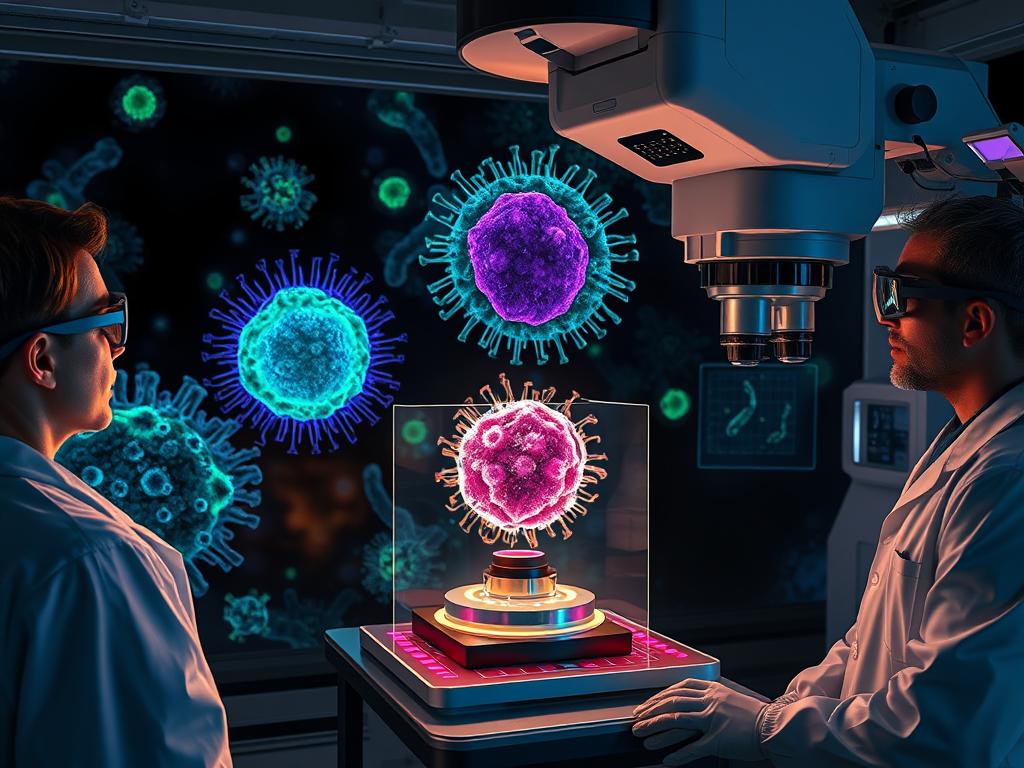
The heart of this discovery lies in the application of cutting-edge imaging technology that enables scientists to watch bacterial shape-shifting in real-time. Traditionally, bacteriological studies relied heavily on static snapshots, which limited the ability to truly comprehend the dynamic nature of these living entities. With the advent of this new technique, known now as ‘dynamic morphological imaging,’ researchers can monitor how bacterial structures evolve in response to environmental stimuli—a leap comparable to moving from still photography to full-motion video.
This development is not only fascinating but also essential. Bacteria are known for their resilience, and their ability to alter their shape is pivotal for survival, whether they are facing hostile conditions or competing with other microorganisms. The ability to study these changes in detail holds promise for the medical field, particularly in devising strategies to combat antibiotic-resistant strains by knowing precisely how they modify themselves to evade drug treatments.
From an ecological perspective, understanding bacterial adaptation to environmental changes could lead to innovations in biotechnology and environmental science. For example, engineers and scientists might harness these insights to design bacteria that can assist in pollution biodegradation or in improving agricultural productivity by optimizing soil health. The potential applications are as varied as they are promising, making this advancement a cornerstone of future research endeavors.
As we stand on the brink of this new frontier in microbial research, it’s crucial to consider the broader implications. The revelations about bacterial shape-shifting not only challenge our previous notions of microbial life but also underline the importance of innovation in scientific methods. As we continue to explore these minute yet complex worlds, the knowledge gained from such studies will undoubtedly enrich our understanding of life itself, opening doors to novel solutions for some of the pressing challenges faced by humanity today.