






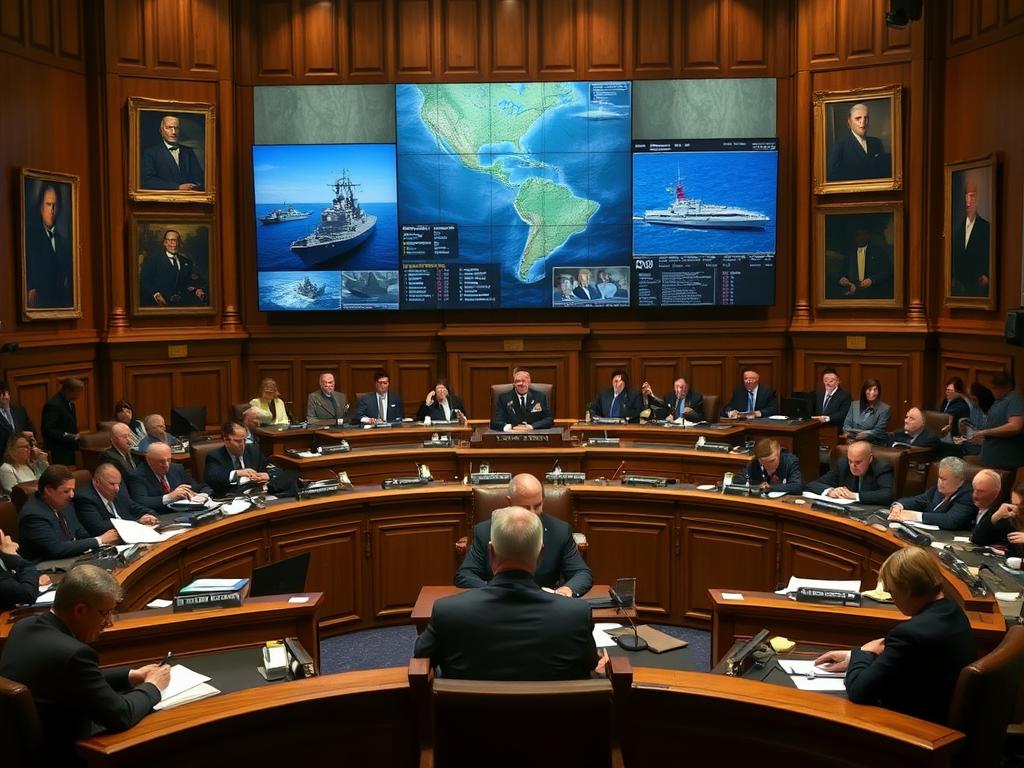
In a surprising twist that has captured the attention of political analysts and the public alike, lawmakers from both sides of the aisle are demanding a thorough review of recent U.S. military actions involving strikes on vessels accused of drug smuggling. This initiative is not just about assessing the legality or strategic value of these actions but also shining a spotlight on a concerning directive allegedly issued by Defense Secretary Pete Hegseth. Reports suggest that this directive involved orders that went beyond conventional military engagement, raising ethical and legal questions.
The heart of the controversy lies in the purported command to eliminate all survivors of the missile strikes, a move that if true, starkly contradicts the international laws of war and established military protocols. The implications of such orders reverberate beyond the immediate military sphere, potentially impacting America’s diplomatic relations and its moral standing on the global stage. Lawmakers are keen to explore how these directives align with U.S. values and legal standards, signaling a rare bipartisan consensus on the importance of maintaining the integrity of military operations.
As Congress gears up for what promises to be a series of revealing hearings, it’s important to consider the broader context of these operations. The fight against drug trafficking undeniably demands robust measures, but the methods employed can define success in more than just tactical terms. Historical lessons remind us that military might is most effective when coupled with adherence to ethical conduct, reinforcing a nation’s commitment to principles even amidst security challenges.
The reviews set to roll out in Congress will potentially set precedents on how military operations are scrutinized and managed in the future. They may influence not only the conduct of current military leaders but also the crafting of new policies that harmonize military necessity with moral imperatives. The expectation is that these reviews might uncover significant insights into the decision-making processes within the military hierarchy, promoting transparency and accountability.
As the nation awaits further developments, it remains clear that the discourse surrounding these strikes could redefine military oversight norms. This situation underscores the delicate balance between executing national security strategies and upholding moral standards that reflect the ethos of American democracy. The coming weeks could usher in significant changes to military oversight, aligning it more closely with the foundational principles of justice and human rights.