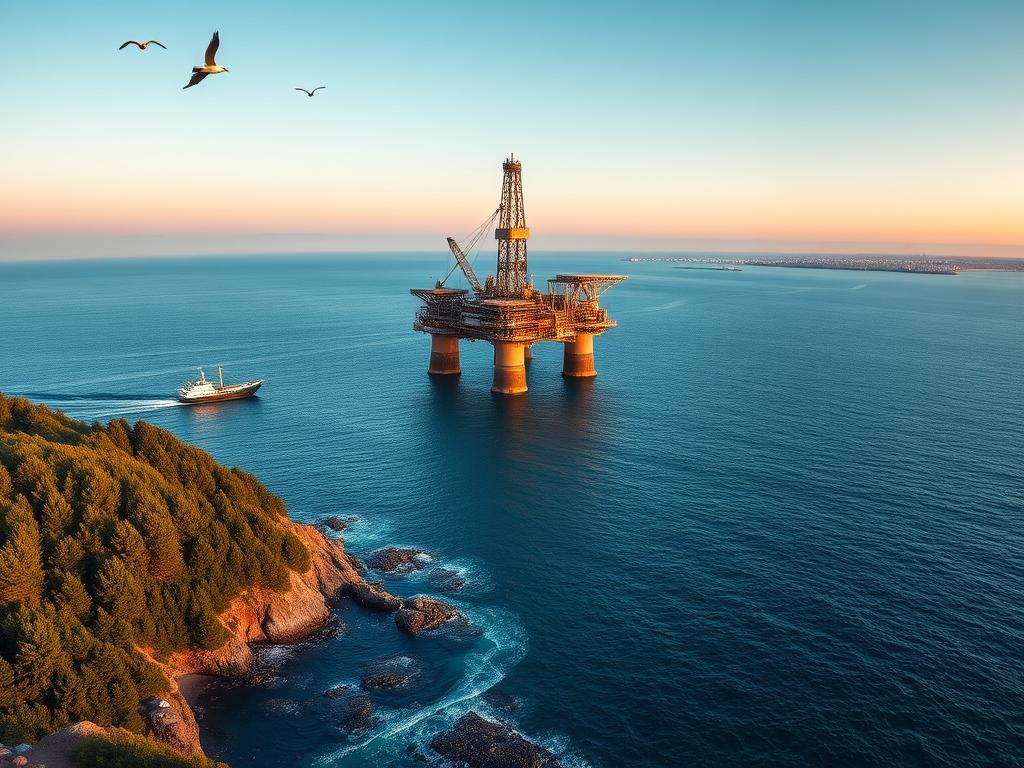
The recent announcement by the Trump administration regarding offshore drilling in the Pacific Ocean has sent ripples through environmental circles and industry stakeholders alike. For the first time in over forty years, the federal waters of the Pacific might be the next frontier for oil and gas exploration. This decision marks a dramatic shift in U.S. energy policy, stirring debate over economic benefits, energy independence, and environmental protection.
Opening the Pacific waters to offshore drilling could potentially boost the American energy sector, creating jobs and fostering economic growth. Proponents argue that tapping into these resources will enhance the U.S.’s energy independence, reducing reliance on foreign oil supplies. The promise of new jobs and increased local revenue is particularly enticing for coastal states still recovering from economic downturns.
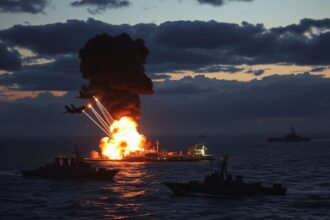
However, this move is fraught with environmental concerns that cannot be overlooked. The Pacific Ocean is home to diverse marine ecosystems and endangered species. Environmentalists argue that any offshore drilling activities would pose significant threats to the region’s ecological balance, leading to potential oil spills and habitat destruction. The need for stringent environmental safeguards is more pressing than ever to mitigate possible risks associated with this endeavor.
From a regulatory standpoint, the reopening of offshore leases in the Pacific presents a complex challenge. The balance between federal interests and state-level opposition could lead to lengthy legal battles. Many Pacific states have robust policies in place to protect their coastal environments, and such initiatives may conflict with federal efforts to expand drilling activities. This puts state and federal regulators on a possible collision course, adding another layer of complexity to an already contentious issue.
As the dust settles on this announcement, it’s crucial for stakeholders to engage in meaningful dialogue that addresses both the economic prospects and environmental concerns associated with offshore drilling in the Pacific. This initiative could redefine the future of energy policy on the West Coast, offering lessons in balancing economic goals with environmental stewardship. The outcome will not only shape the legacy of current leadership but also determine the health and sustainability of our oceans for future generations.