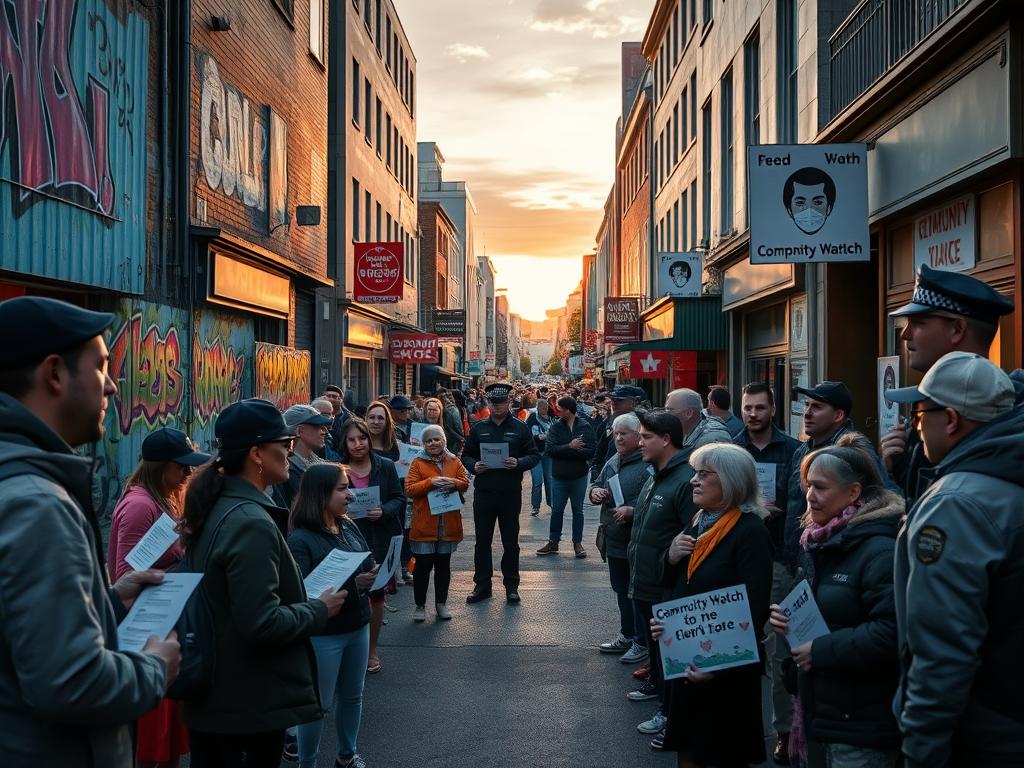
Wellington’s vibrant neighborhood of Te Aro finds itself at a crossroads following a stabbing incident involving a young man this past Sunday morning. Local police are reaching out to the community, urging residents and passersby to come forward with any information that could help shed light on this troubling event. This appeal underscores the critical role communities play in ensuring public safety and the collective responsibility to foster an environment where everyone feels secure.
Such violent occurrences, though seemingly isolated, ripple through the community, causing concern and fear among residents and visitors alike. Neighbors who cherish the bustling, artistic vibe of Te Aro are now grappling with an unsettling reality, questioning the factors that could lead to such an incident. While the police are diligently working to gather details and leads, this moment presents an opportunity for community reflection on preventive measures and strengthening neighborhood bonds.
Addressing violence requires a multifaceted approach that goes beyond mere policing. It’s important to understand the socio-economic triggers that might contribute to such incidents. Whether it’s areas lacking sufficient street lighting, an inadequate sense of community, or issues around mental health, tackling these underlying problems demands a concerted effort by city officials, businesses, and residents. Community meetings and neighborhood watches can foster dialogue, paving the way for collaborative solutions that can preempt future incidents.
The involvement of local organizations and advocacy groups can amplify efforts to combat crime. These entities often bring invaluable resources and expertise, offering initiatives that engage at-risk youth, providing spaces for dialogue, and creating programs that build strong, interconnected communities. By tapping into the creativity and commitment of its citizens, Wellington has the chance to pioneer innovative strategies that could serve as a model for cities struggling with similar challenges.
In conclusion, while the investigation into Sunday’s stabbing is imperative for immediate justice, Wellington stands at the brink of a broader conversation about community safety and resilience. By leveraging the power of collective action and civic pride, Te Aro can not only recover from this event but emerge stronger. Residents are called to collaborate, reflect, and act, ensuring their streets remain a sanctuary of diversity and creativity. Through unity and proactive measures, Wellington can turn this distressing situation into an opportunity for profound community growth.