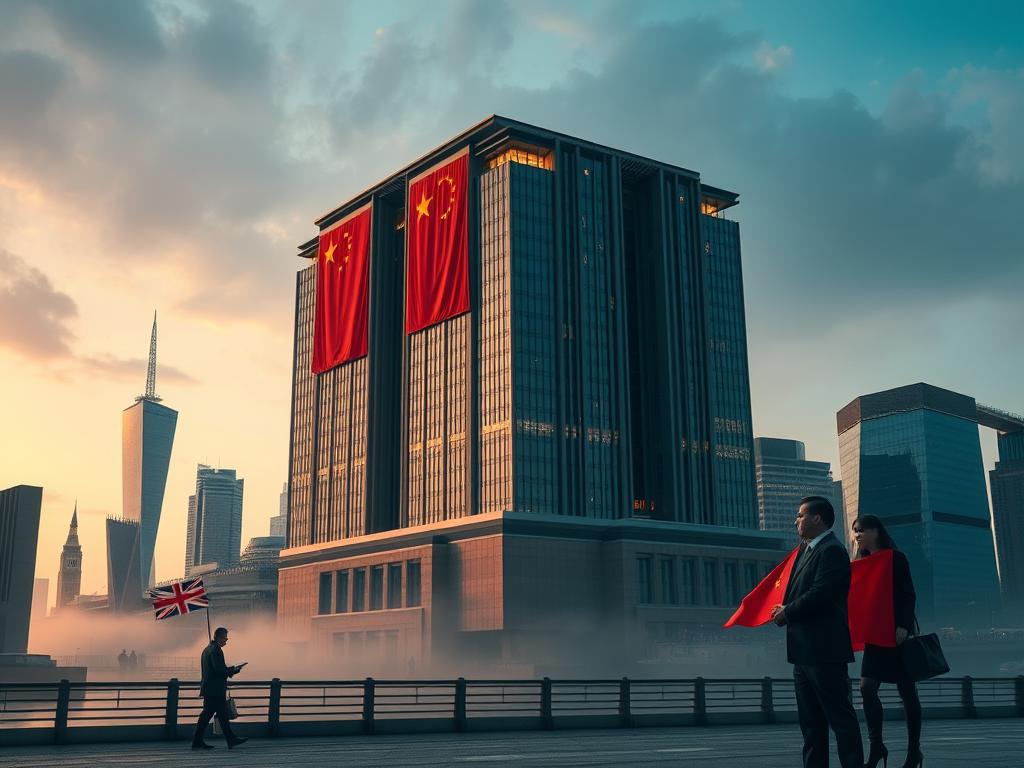
The unveiling of China’s plan for a colossal embassy complex in London has stirred the pot in international relations. Once perceived as a testament to China’s diplomatic ambitions, it now stands as a testament to the political complexities of global diplomacy. This venture finds itself at the heart of the UK-China relationship, a symbol of two nations navigating the treacherous waters of contemporary geopolitics.
The ambitious embassy project is not merely a proposal for a new building; it represents China’s intent to solidify its influence on foreign soil. Ideally, embassies should act as bridges, fostering understanding and cooperation. However, this particular mega-embassy has become a lightning rod for criticism, highlighting the delicate balance between projecting strength and nurturing alliances.
The UK’s response to the project is a fascinating study of strategic diplomacy. In attempting to reset relations with China, the UK finds itself caught between recognizing the need for economic partnerships and addressing concerns regarding security and sovereignty. The embassy saga underscores a broader narrative: the challenge of engaging with a powerful yet often scrutinized global player.
From an analytical perspective, the longevity of this controversy rests on two pillars: perception and policy. While the embassy itself is a fixed structure, the perceptions it alters and the policies it influences will be far-reaching. As both countries contend with internal and external pressures, the decisions made regarding this embassy will reflect larger geopolitical strategies and priorities, impacting future diplomatic endeavors on the global stage.
In conclusion, the Chinese mega-embassy in London is more than a physical space; it is a monument to the intricate dance of modern diplomacy. As the UK and China navigate this enduring controversy, it serves as a reminder that in international relations, physical ambitions are often shadowed by intangible legacies and unforeseen consequences.