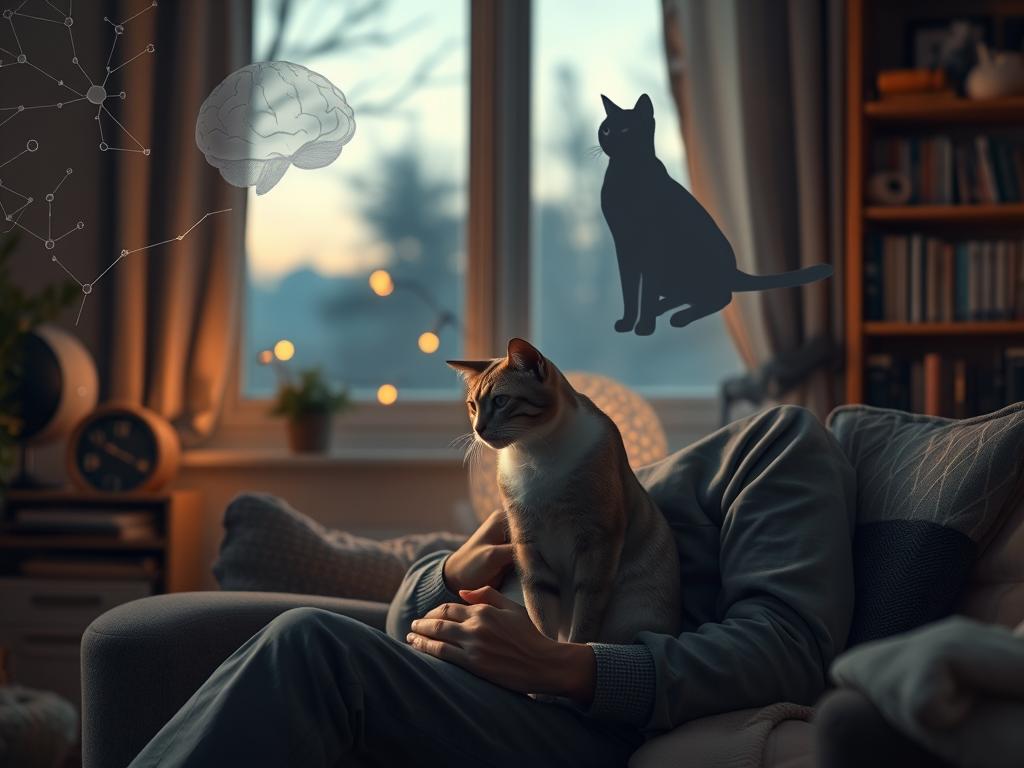
In a surprising twist to the world of pet ownership, recent findings from researchers at the Queensland Centre for Mental Health Research in Australia have pointed to an intriguing correlation between cat ownership and an increased risk of schizophrenia. While our furry companions are often seen as stress-relievers and tension-melters, it appears there might be more to these cuddly creatures than meets the eye. The study delves deep into years of data, suggesting that the bond between humans and cats may be complex and multifaceted.
The research pivots on a theory that centers around Toxoplasma gondii, a parasite commonly found in domestic cats. This parasite, when transmitted to humans, can cause a latent infection that has been speculated to influence mental health. Although the majority of infected individuals exhibit no overt symptoms, the potential for this parasite to entwine with brain function and contribute to conditions like schizophrenia cannot be entirely discounted. The researchers have emphasized, however, that owning a cat alone doesn’t directly cause schizophrenia, but it could be a contributing factor among many.
It’s critical to approach these findings with a balanced perspective. On one hand, the relationship between cats and their humans is rich and rewarding, often filled with companionship and joy. On the other hand, the thought of a hidden health risk lurking in our beloved pets is unsettling. Should this discovery change how we perceive our furry friends? Not necessarily. Rather, it should encourage a dialogue around pet ownership responsibilities and health awareness.
Considering the possibility of a risk doesn’t mean we rush to abandon our pets. Instead, it should be seen as an opportunity to advocate for informed decisions when it comes to animal care and personal health. Regular veterinary check-ups for your cat and consultations with healthcare professionals about any concerns are prudent steps for responsible ownership. With proper awareness and action, the joys of having a pet can harmoniously coexist with health priorities.
In conclusion, while the study provides fascinating insights into the complexities of mental health and pet ownership, it also underscores the importance of further research into the myriad factors that contribute to conditions like schizophrenia. Let’s embrace our cats for the joy they bring, while also remaining vigilant about potential health impacts. As with many aspects of life, knowledge and balance are key.