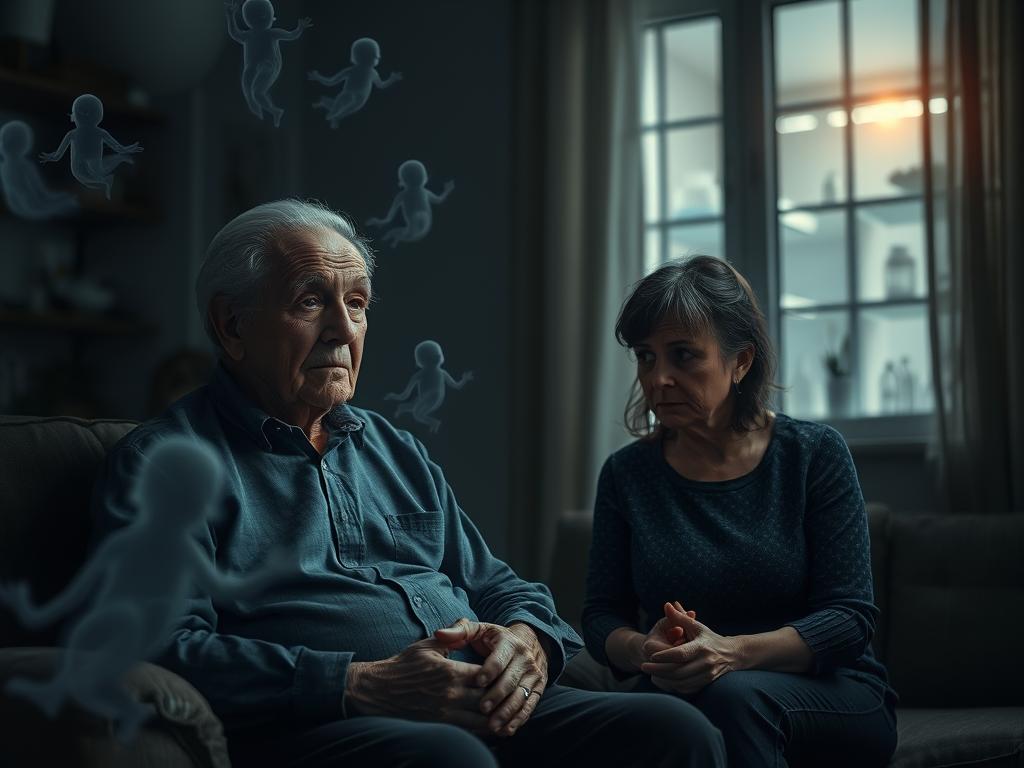
In recent years, dementia has emerged as a major concern for many, surpassing even cancer in terms of fear among the public. While this shift might come as a surprise to some, it underscores a growing awareness of the profound impact that neurodegenerative diseases have on individuals, families, and society as a whole. Unlike cancer, which often presents visible symptoms and potentially offers pathways to remission, dementia creeps silently, gradually eroding the essence of an individual’s personality and cognitive function.
The increasing prevalence of dementia is a crucial factor contributing to this heightened fear. With aging populations across the globe, more families encounter personal narratives of dementia. These stories often involve the painful process of watching a loved one ‘disappear’ mentally and emotionally even as they remain physically present. The prospect of losing cherished memories and the ability to recognize family members is a distressing thought, making the disease an omnipresent specter looming over a significant portion of the population.
Moreover, the comparative lack of effective treatments or preventative measures amplifies this fear. While cancer research has made significant strides, leading to improved survival rates and innovative therapies, dementia remains elusive. The uncertainty surrounding its causes, coupled with limited options to halt progression, leaves individuals feeling vulnerable. Even the most promising advances in neuroscience are yet to yield a widely accessible cure or prevention strategy, further fueling apprehension.
It is also important to consider the socioeconomic implications of dementia that set it apart from cancer. Dementia often requires long-term care, which can lead to financial strain on families and health systems. The burden of care typically falls on relatives, leading to emotional and physical stress that compounds the primary devastation of the disease. These factors collectively amplify the fear surrounding dementia, as it represents not just a medical challenge but a pervasive disruption of life as one knows it.
As society grapples with this increasing dread, it’s crucial to foster a proactive approach to mitigate dementia’s impact. Public policy, research funding, and community support need realignment to address the unique challenges posed by neurodegenerative diseases. Raising awareness, supporting caregivers, and accelerating scientific inquiries are vital steps to not only alleviate fear, but also to move closer to a future where dementia might be as manageable or preventable as cancer is becoming today. This shift in focus could transform our current apprehensions into a beacon of hope for coming generations.