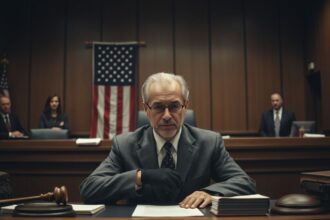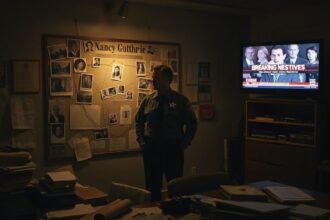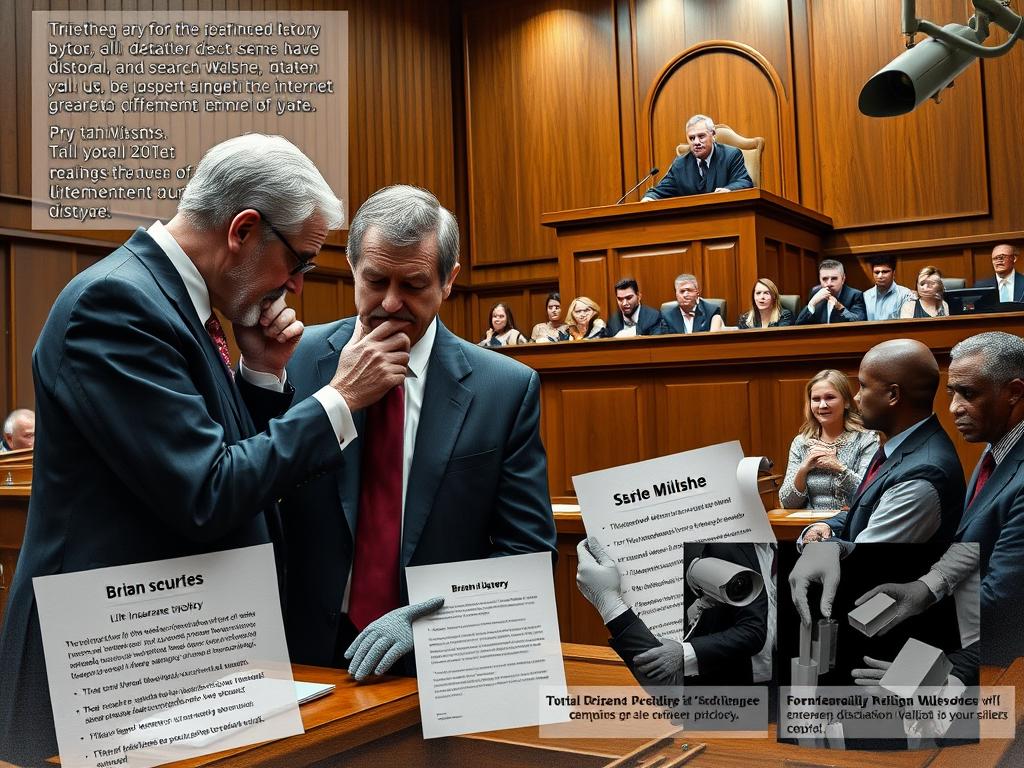
The murder trial of Brian Walshe has taken a surprising turn with his recent guilty pleas to lesser charges of hindering a police investigation and improper handling of his wife’s remains. With this move, the stage is set for the trial to focus solely on the grave accusation of first-degree murder. As jury selection resumes, one can’t help but ponder the strategic maneuvering visible in the courtroom. By conceding culpability on less severe charges, Walshe and his defense might be attempting to curry favor or sow doubt regarding the murder charges. This legal chess move has undoubtedly set the tone for a trial that promises to be contentious and legally intricate.
This case is riddled with perplexing elements which paint a complicated picture of the events surrounding Ana Walshe’s disappearance. Despite her body never being recovered, a slew of digital breadcrumbs has intrigued both the prosecution and the public. The alleged internet searches conducted by Brian Walshe on dismemberment and disposal methods suggest a sinister premeditation that prosecutors are expected to highlight. Yet, these findings alone are not irrefutable evidence of murder; they only form part of a broader narrative that the legal system will dissect through methodical examination and argumentation.
A key factor in this unfolding drama is the mysterious life insurance policy that names Brian as the beneficiary of an astonishing $2.7 million. This financial incentive casts a shadow over the entire proceedings, potentially providing a motive for foul play. Coupled with evidence of surveillance footage and forensic discoveries, it appears the prosecution has assembled a compelling dossier to support their allegations. However, whether these components can hold under the intense scrutiny of a trial focused on reasonable doubt is the question that will ultimately determine Walshe’s fate.
Peering into the defense’s possible strategy, we see a narrative at odds with the prosecution’s claims of intent and malice. By pleading guilty to lesser charges, the defense might be emphasizing that, while perhaps involved in misjudgments and possibly panic-stricken decisions after an unforeseen event, Brian Walshe should not be painted as a cold-blooded murderer. This distinction is crucial; it highlights the line between reckless conduct stemming from an accidental circumstance versus premeditated homicide.
As this case progresses, it highlights the broader intricacies of the criminal justice system, where storytelling and strategy intertwine with factual evidence and legal principles. With a partial narrative of admitted guilt juxtaposed against vehement denial of murder, the courtroom becomes an arena not only for legal battles but also a quest for truth. As observers, we’re left to grapple with the question of what justice looks like in a case where the loss is undeniable, but the path to it remains obscured. Ultimately, it is a stark reminder of how justice aims to balance evidence and reasonable doubt in the pursuit of truth.