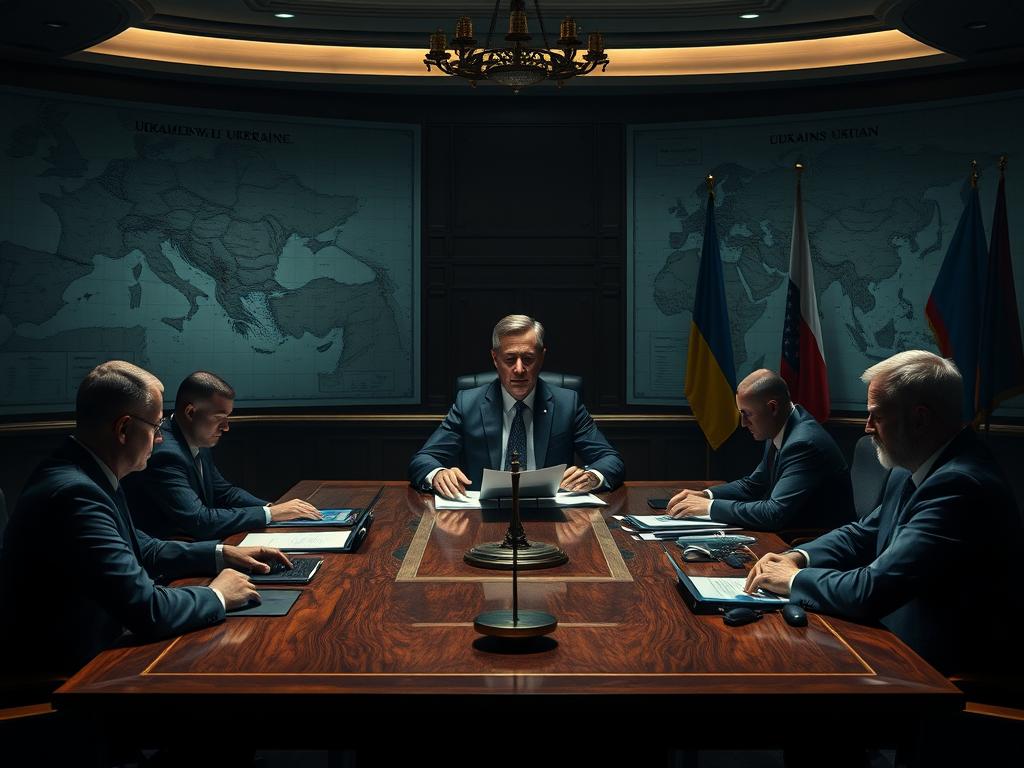
In a recent development that highlights the complexity of international diplomacy, the United States has reportedly used its provision of military aid and intelligence to Ukraine as a bargaining chip to foster a peace agreement with Russia. This move, intended to expedite a resolution in the protracted conflict, underscores the delicate balance nations face in leveraging support while advocating for diplomatic outcomes. Sources indicate that the U.S. is attempting to coax Ukraine into the framework of a peace deal mediated by Washington, potentially altering the panorama of international alliances and power dynamics.
While the strategic move is understandable in the context of war fatigue and geopolitical shifts, it is fraught with moral and ethical considerations. The aid provided to Ukraine has been instrumental not only in its defense capabilities but also in its national morale. The idea of reducing such support may raise concerns about the potential ramifications on Ukraine’s sovereignty and negotiating power. Ultimately, the challenge lies in how the U.S. can maintain its influence and support while ensuring Ukraine retains enough leverage to safeguard its own interests.
The situation brings to light the inherent challenges in balancing hard and soft power on the global stage. The threat of reducing aid and intelligence support plays into a classical Machiavellian strategy; however, it also risks premium credibility and trust. Such maneuvers might be perceived by allies as a willingness to prioritize expediency over solidarity, inadvertently driving wedges in alliances and possibly emboldening adversarial forces.
Additionally, this development could pave the way for broader discussions on the efficiency and limitations of military support in conflict resolution. The strategic recalibration by the U.S. may set a precedent for how international mediation is conducted, challenging the status quo of military alliances that have been a staple of global interactions. As the world watches closely, it becomes pertinent to assess the long-term impact of such actions on existing treaties, international norms, and future peace negotiations.
The unfolding scenario calls for a measured approach that acknowledges the complexities of international politics while striving for genuine peace. As the U.S. navigates this intricate diplomatic dance, it must weigh the implications of its leverage tactics on both regional stability and global perceptions. Ultimately, the success of this endeavor hinges on a confluence of shrewd diplomacy, genuine collaboration, and a steadfast commitment to resolving conflict while upholding international law and humanitarian values.