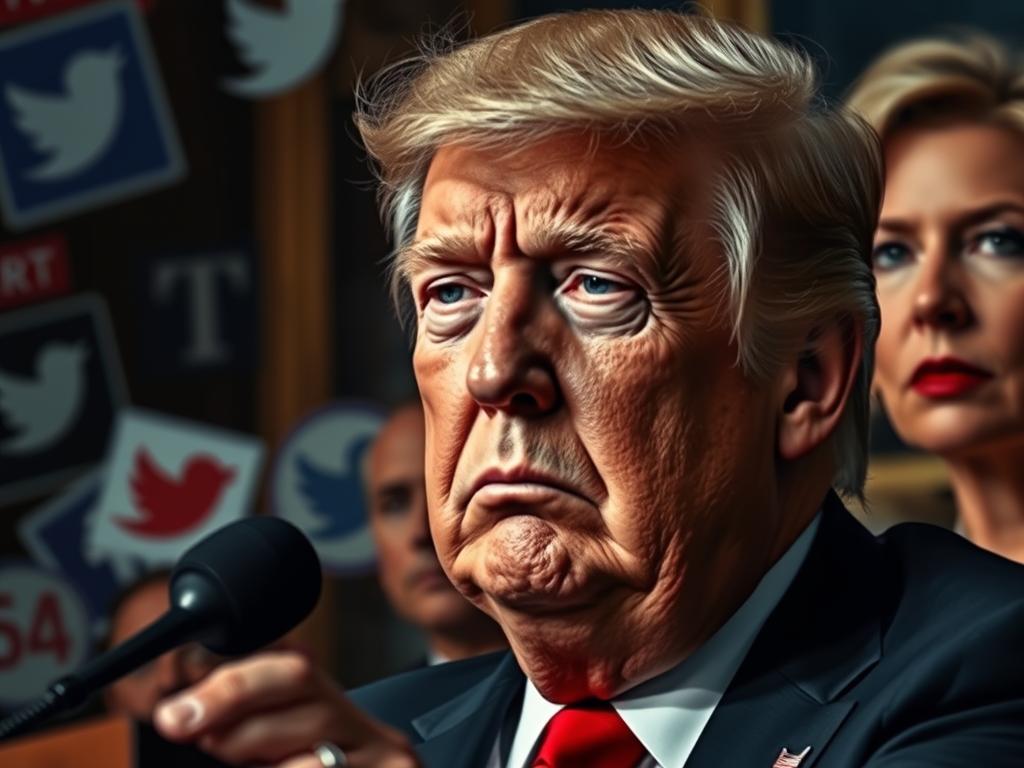
In recent weeks, political and social media circles have been buzzing with discussions about former President Donald Trump’s increasingly erratic speeches and perplexing online activities. While public scrutiny is not new to Trump, the latest concerns are deeply personal. Mary Trump, his niece and a clinical psychologist, has raised alarms over these behaviors, suggesting they might be indicative of a decline reminiscent of dementia. This revelation adds a significant layer to the ongoing debate about Trump’s suitability as a public figure and challenges us to consider the delicate mix of politics and mental health.
Mary Trump’s perspective is particularly noteworthy since it comes from both a familial and professional viewpoint. In discussions surrounding mental health issues, especially dementia, firsthand observations can provide crucial insights. With a history of family dementia, Mary Trump is sounding the alarm that signs such as failing short-term memory and impulsivity are becoming more prominent in her uncle. This situation poses a pivotal question about the intersection of family history and the psychological patterns displayed by prominent individuals.
The implications of these observations extend beyond personal health concerns, penetrating into the essence of leadership itself. Cognitive clarity is a key component of effective decision-making, and as such, these alleged lapses could potentially impede Trump’s ability to engage thoughtfully with policy issues or sustain coherent leadership, should he decide to pursue public office again. Such concerns push us to reflect on broader responsibility owed by those in significant positions of power, and whether there should be safeguards or dialogues in place concerning mental fitness for leadership roles.
Critics of Trump might view these claims through a lens of political bias, but it’s crucial to differentiate political disputes from legitimate health concerns that impact public trust. The discourse surrounding a leader’s cognitive health shouldn’t be dismissed as mere political maneuvering, but rather approached with a balanced and empathetic view. This ensures that the conversation remains rooted in genuine concern for well-being rather than degenerating into partisan warfare.
The conversation started by Mary Trump should be extended beyond politics towards a broader societal understanding of dementia’s impact. It’s a reminder that health, particularly mental health, is key in any role that demands clear judgment and decision-making. While these assertions about Donald Trump’s mental state remain within the domain of family observation for now, they open up a necessary dialogue about recognizing and addressing signs of decline in all areas of public service. Ultimately, as the story unfolds, society must strive towards fostering an environment where discussions of mental health are met with compassion and necessary action.