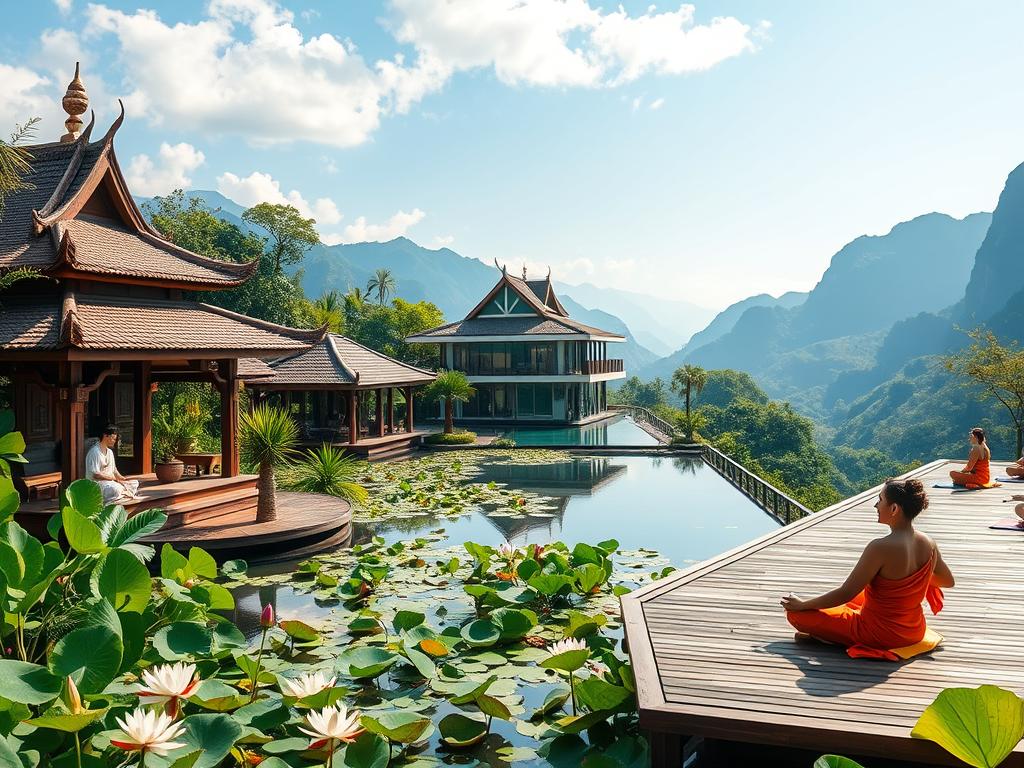
In recent years, wellness tourism has emerged as a burgeoning sector worldwide, offering travelers an escape not just from their daily routines but also a journey towards holistic health. Thailand, with its rich cultural heritage and natural beauty, stands at the forefront of becoming a global leader in wellness tourism. The government’s current initiative to foster this sector highlights an understanding of its potential for economic growth. However, the journey to transform Thailand into a haven for wellness and medical tourism is about more than just policy—it requires a harmonious collaboration between government and private enterprises.
While the government lays the groundwork with strategic promotion, the private sector has raised an important clarion call for streamlined regulations. Eased bureaucratic procedures can significantly enhance the industry’s efficiency, making it easier for international tourists to access holistic health services. Simplifying the regulatory framework is a crucial step in ensuring that potential wellness tourists are attracted not only by the allure of Thailand’s cultural experiences but also by the convenience and accessibility of its health services.
Moreover, the focus on well-being calls for an inclusive approach. As the private sector pushes for reforms, it’s vital to also address the quality and authenticity of wellness offerings. Tailoring experiences that blend traditional Thai healing practices with modern medical advancements can set Thailand apart. Investment in staff training, facility standards, and authenticity of services are pivotal elements that can contribute to a lasting impression on wellness tourists, encouraging repeat visits and sustained growth.
Thailand’s rich array of natural resources and scenic landscapes naturally lend themselves to wellness tourism. However, capitalizing on these assets requires innovative approaches to marketing and infrastructure development. Leveraging digital platforms to share compelling narratives about Thailand’s unique wellness offerings can tap into the global wellness community’s curiosity. Additionally, sustainable development of wellness centers and retreats in harmony with the environment can attract eco-conscious travelers looking for transformative experiences that also benefit the planet.
The future of wellness tourism in Thailand is promising, but it’s a journey that requires thoughtful navigation. By mitigating regulatory barriers and prioritizing authentic, high-quality wellness experiences, Thailand can position itself as a leader in this thriving global industry. The collaboration between government initiatives and the innovative spirit of private enterprises will be the key to unlocking the full potential of wellness tourism, promising economic benefits and a global reputation as a sanctuary for health and well-being.