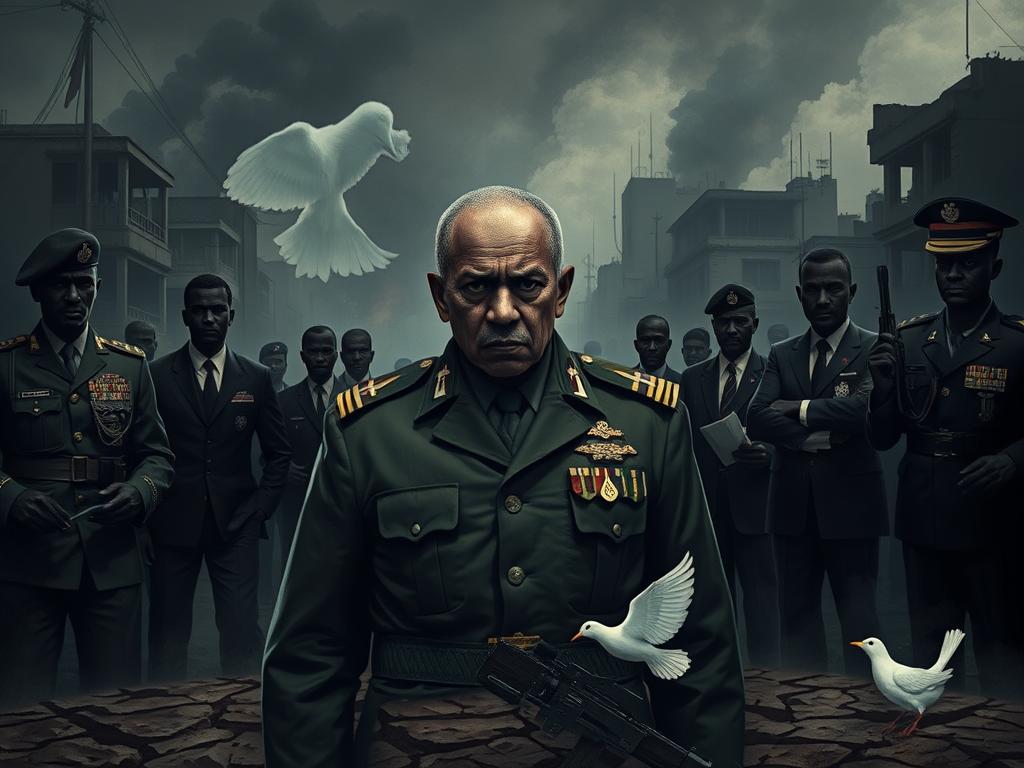
The political landscape in Sudan remains tumultuous as the nation’s top military leader recently dismissed a ceasefire proposal led by American mediators. This development marks a significant hindrance in the quest for peace in a country that has been ensnared in conflict for more than two-and-a-half years. As Sudan continues to grapple with a devastating war, the dismissal of the most recent peace attempt underscores the complexities and challenges involved in resolving this protracted conflict.
The decision to reject the ceasefire highlights General Abdel Fattah al-Burhan’s dissatisfaction with the terms proposed by the international mediators. Citing the plan as inadequate, the general labeled it as one of the least promising efforts yet. Such a public dismissal sheds light on the deep-seated divisions not only within Sudan but also in the approaches by external parties attempting to mediate the situation.
Understanding the intricacies of Sudan’s ongoing war requires an acknowledgment of the historical and political factors fueling the conflict. The deep-rooted political rivalries, disagreements between military and civilian factions, and intricate tribal influences collectively contribute to an environment that is highly resistant to external mediation efforts. Given these internal dynamics, even well-intentioned international interventions can face significant opposition if they fail to align with the realities on the ground.
This latest rejection begs reflection on the strategy employed by international mediators. The consistent failure to secure lasting peace suggests that a broader, more inclusive approach that considers the nuanced political and social context of Sudan may be needed. Any sustainable roadmap towards peace should involve voices from all stakeholders in Sudanese society, ensuring that their diverse needs and grievances are addressed in a comprehensive manner.
As Sudan continues to navigate this challenging period, the international community must recalibrate its strategies to provide more tailored support. It is imperative that efforts are eclectic, incorporating diplomatic, economic, and humanitarian measures that consider the full spectrum of Sudan’s socio-political landscape. While the path to peace may be fraught with challenges, it is essential that both international actors and Sudanese leaders remain committed to alleviating the suffering and securing a harmonious future for the people of Sudan.