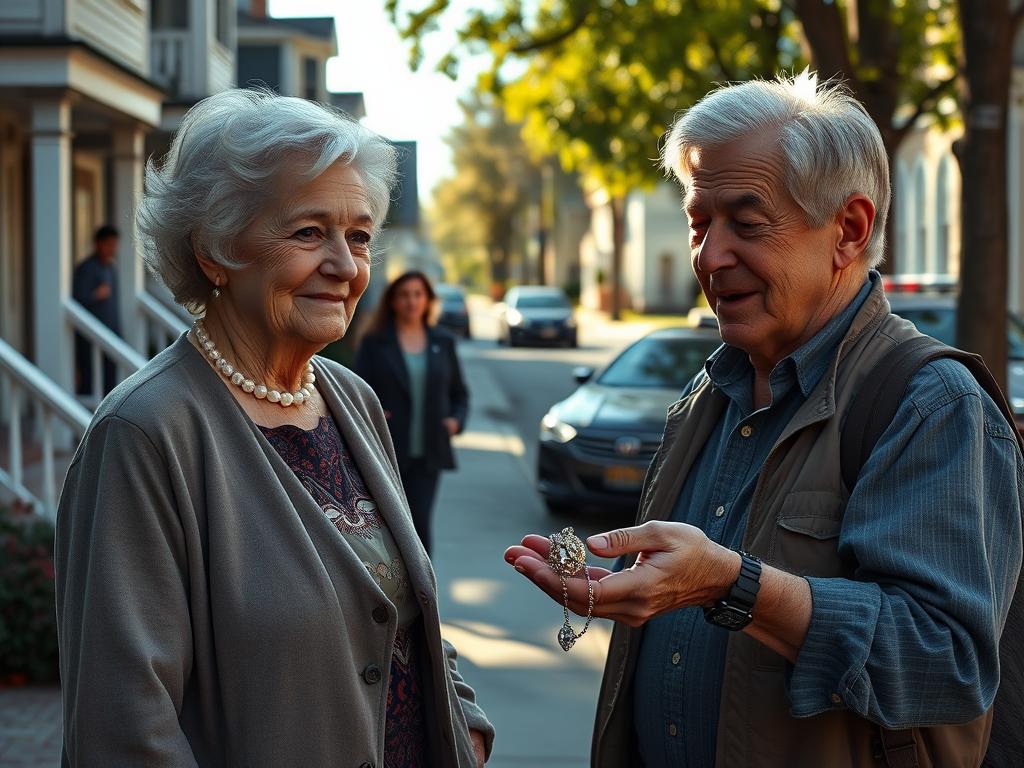
In a concerning wave of deception, law enforcement officials in Massachusetts have sounded the alarm on a new scam directly targeting elderly residents. The fraudsters, posing as amiable jewelry sellers, are luring seniors into buying counterfeit jewelry, often exploiting the trust inherent in face-to-face interactions. This charade pulls on heartstrings and purse strings alike, leaving a trail of disappointed and defrauded victims in its wake.
The tactics these scammers employ are sophisticated yet simple, capitalizing on the appeal of genuine, affordable jewelry. Typically, the imposters approach their targets in busy public areas or even outside their homes, presenting sham baubles as irresistible gems at supposedly unbeatable prices. This con can be particularly effective against seniors, who might be charmed by the friendly demeanor and compelling stories some scammers spin about family heirlooms or financial need.
What makes this trend especially unsettling is its exploitation of community trust. Seniors often rely on face-to-face communication, valuing the over-the-counter interactions lost to many in the digital age. By engaging directly with their victims, these fraudsters can bypass the skepticism often reserved for email and phone scams, which have become notorious easier to detect over the years. This personal connection skews the perception of risk, making the deception all the more effective.
Communities must rally together in response to these incidents. Awareness and education are our first lines of defense. Families, neighbors, and local organizations should communicate openly, ensuring that all members, particularly older adults, are aware of these schemes. Empowerment can come through knowledge; when seniors understand the value of questioning deals that seem too good to be true, the effectiveness of such scams diminishes significantly.
This form of fraud is a stark reminder of the challenges many seniors face as they navigate an increasingly complex world, rife with ever-evolving scams. Protecting our elderly community members requires vigilance and proactive measures from both society and law enforcement. By fostering an environment of support and education, we can help shield our loved ones from the clutches of deceitful predators looking to exploit their trust.