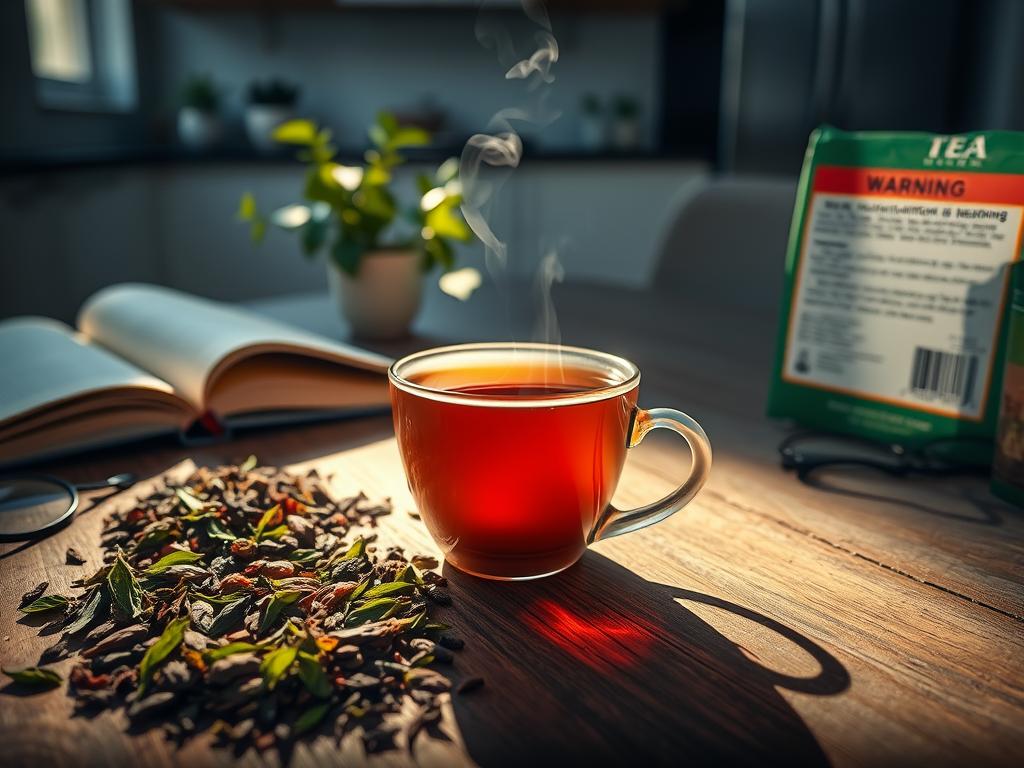
In a world where health consciousness is on the rise, the comforting warmth of a tea cup has gained attention for its potential benefits to both heart and mind. Tea, a beverage steeped in centuries of tradition, is praised for its abundance of antioxidants and heart-friendly properties. Whether sipped in the afternoon lull or first thing in the morning, tea is known to help reduce blood pressure and lower cholesterol, which are vital for maintaining a healthy heart.
Beyond cardiovascular health, tea is celebrated for its mental wellness benefits. The ritual of brewing a cup does more than just provide a moment of calm; compounds such as L-theanine, prevalent in many teas, can promote relaxation while enhancing cognitive alertness. In combination with the naturally occurring caffeine, these properties make tea an ally for mental clarity and focus, offering an invigorating alternative to those who shun the jitteriness of coffee.
However, it’s important to recognize that not all tea varieties are created equal. While a single cup offers a multitude of benefits, the consumption of certain types of tea in excessive amounts does raise concerns. Teas with high levels of caffeine, for instance, can contribute to increased heart rate and anxiety. Moreover, the issue of contamination from pesticides and heavy metals in some mass-produced tea leaves is a matter requiring attention, highlighting the necessity of choosing high-quality tea products.
Additionally, tea’s potential to interfere with iron absorption can be a downside for those relying heavily on plant-based sources of iron. This is due to the tannins present in many teas, which can bind to iron and reduce its absorption in the body. A practical approach is to consume tea between meals rather than immediately after eating, allowing it to maintain its beneficial attributes without compromising nutritional uptake.
In conclusion, while tea undoubtedly offers a range of health benefits, both physical and mental, it is essential to enjoy it mindfully. By choosing quality over quantity and being aware of how it interacts with other dietary habits, tea can remain a cherished component of a healthy lifestyle. Balancing its consumption ensures that one can savor its advantages while minimizing potential drawbacks, sustaining the age-old tradition of this beloved brew.