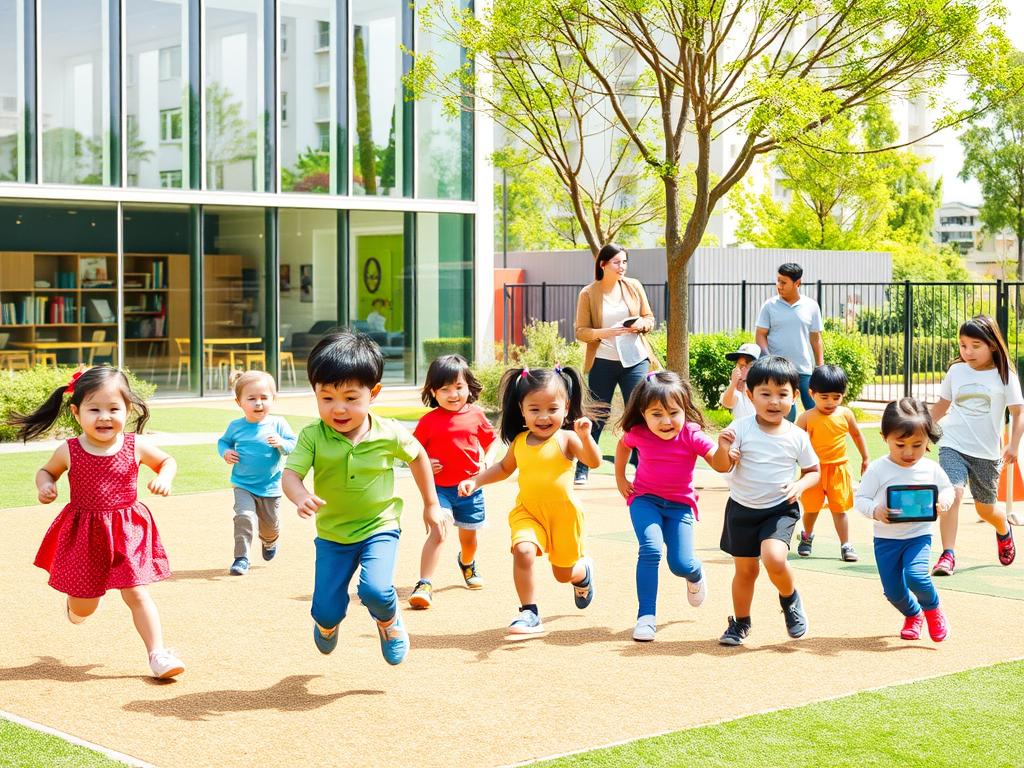
In an age where childhood obesity is a rising concern, a recent study has brought to light a surprising statistic: most preschoolers are not engaging in sufficient physical activity each day. This revelation is particularly troubling, considering the foundational role of early years in developing lifelong habits around health and fitness. The study underscores not only a gap in activity levels but also hints at potential long-term detriments to health and development if this trend continues unchecked.
It’s easy to assume that young children, naturally active and full of energy, get ample exercise through everyday play. However, the study suggests otherwise, revealing that the structured and often sedentary nature of modern preschool settings may inadvertently limit traditional playtime. As digital devices become more integrated into lives at ever younger ages, screen time is another potential distraction pulling toddlers away from physical activities, even in educational settings.
Parents and educators play pivotal roles in bridging this exercise gap. Encouraging more unstructured play, integrating physical activities into learning, and creating environments that naturally promote movement can significantly increase a child’s daily physical engagement. Simple actions, like introducing games that require running or jumping or even scheduling breaks that incorporate dancing, could provide the needed boost in exercise that children are currently missing out on.
From a broader societal perspective, addressing this issue requires a collective effort that includes rethinking educational policies and community planning. Public playgrounds, safe pedestrian areas, and accessible recreational facilities should be essential components in urban development strategies. Moreover, awareness campaigns tailored toward parents and caregivers can educate them on the importance of physical activity and provide practical strategies to implement at home.
In conclusion, addressing the exercise gap in preschoolers is a crucial step toward fostering healthier future generations. By recognizing the significance of physical activity in a child’s formative years, society can make informed changes that empower children to thrive physically, mentally, and socially. This study serves as a clarion call for immediate action, reminding us that the vitality of our youngest members is paramount to their development and well-being.