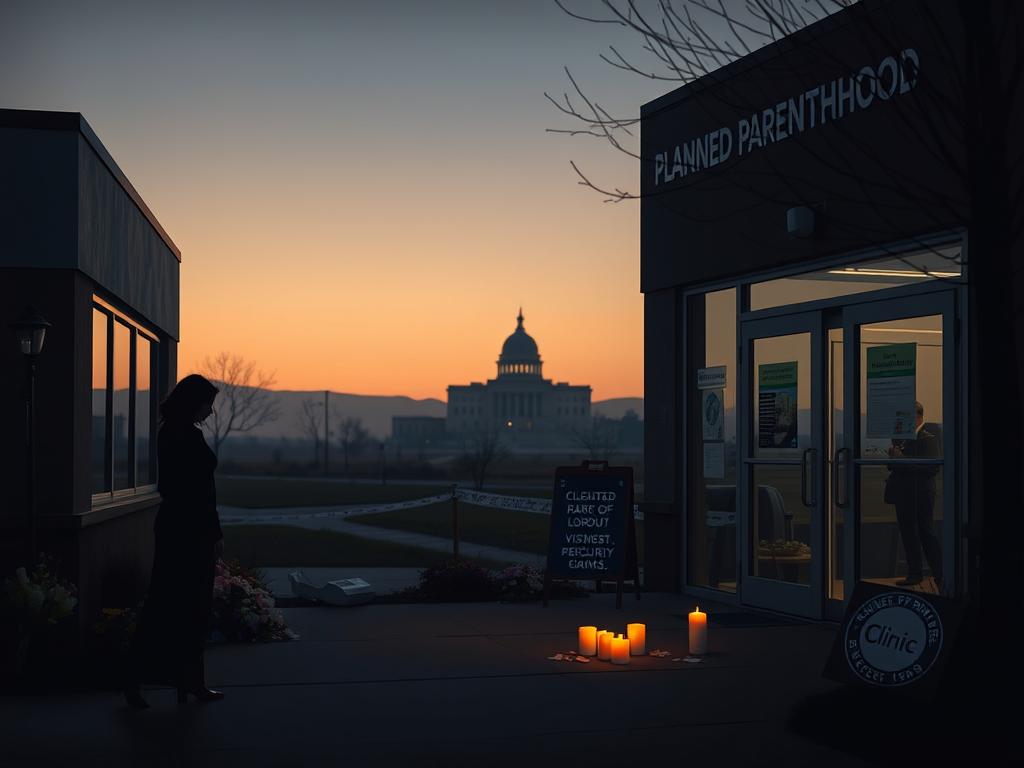
In a development that brings an unexpected conclusion to a dark chapter in Colorado’s history, the man accused of committing a deadly attack at a Planned Parenthood clinic in 2015 has died while in federal custody. This incident, which left three people dead, was rooted in controversy due to the assailant’s outspoken opposition to abortion services. His death marks the end of a long-awaited trial process that many hoped would bring some closure to the affected families and communities.
The Colorado shooting was a stark reminder of how deeply polarizing the issue of abortion can be in America. While the suspect’s actions were universally condemned, the ideological motivations behind them have continued to ignite fiery debates across the nation. Many viewed the attack as an act of domestic terrorism fueled by extreme beliefs, further complicating the national discourse on women’s reproductive rights and safety at healthcare facilities.
With the death of the suspect, pivotal questions about mental health, radicalization, and security remain. Legal proceedings had been delayed due to debates over his mental fitness to stand trial, raising concerns about the processes in place for dealing with such critical mental health issues. This situation highlights the need for a combined approach by legal and health systems to prevent violence rooted in ideological extremism while ensuring justice is served.
In reflecting on this case, one cannot overlook the bravery and resilience of the clinic workers and victims who faced unimaginable fear and loss. Despite the terror inflicted upon them, they have become advocates for peace and change, courageously sharing their narratives to foster understanding and raise awareness about the challenges faced by organizations targeted for their services.
The chapter may have closed on this particular legal saga, but the conversations it sparks are far from over. As tensions around abortion persist, it’s a reminder of the need for ongoing dialogue and reform, aimed at creating a society where acts of violence are not borne from ideological differences. It’s crucial for communities to engage in meaningful discussions, fostering an environment of empathy and mutual respect, to prevent such tragedies in the future.