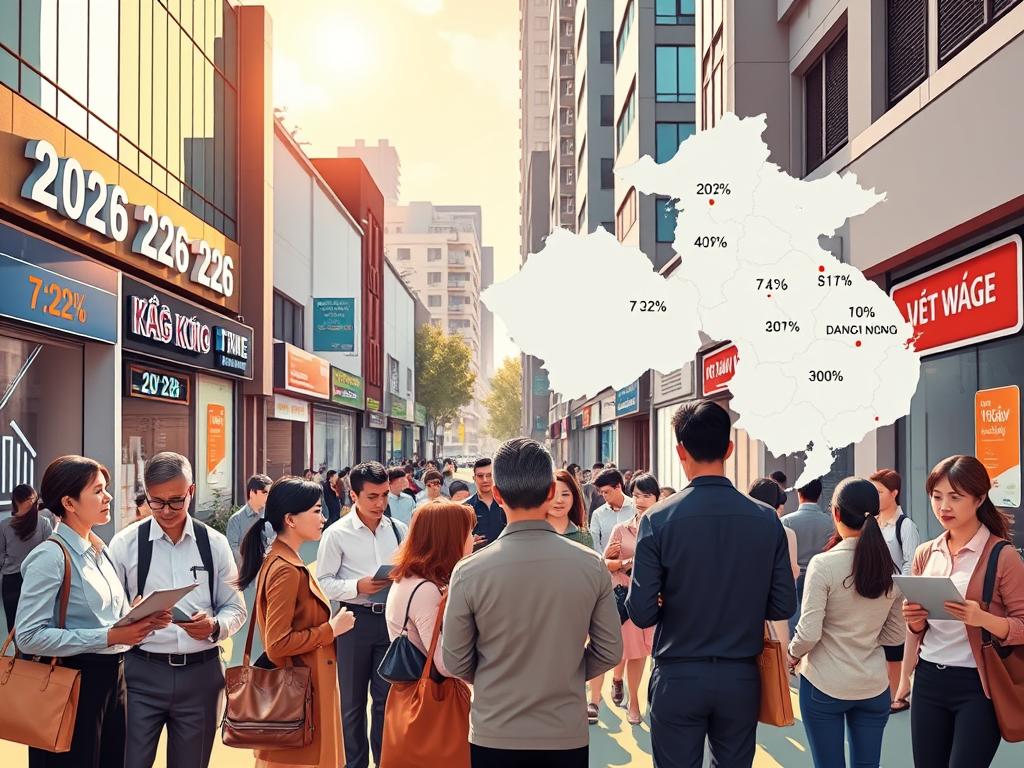
Starting January 1, 2026, a significant policy change will impact millions of workers across the region as the minimum wage is set to climb by 250,000–350,000 VND per month. This decision, formalized through Government Decree No. 293/2025/ND-CP, reflects a 7.2% average increase designed to better align wages with living costs. While this adjustment is a welcome relief for many employees struggling to meet daily expenses, it also places a spotlight on the challenges faced by businesses, especially small to medium enterprises, in adapting to this financial shift.
The Ministry’s commitment to conduct a thorough wage survey at 3,400 enterprises underscores the complexity of implementing such a widespread increase. By gathering input from various sectors, they hope to devise a balanced proposal that acknowledges both the needs of workers and the economic realities faced by employers. This extensive research will be pivotal in shaping the practical aspects of the wage policy and ensuring its feasibility across diverse industries.
However, this move isn’t just about adjusting numbers; it’s a critical moment for dialogues on fair compensation and economic sustainability. Businesses are now tasked with reassessing their operating budgets and potentially restructuring their workforce strategies. Those who see this as an opportunity to invest in employee satisfaction might gain a competitive edge, while others may need to make difficult decisions about staffing and resource allocation.
The proposal for the new minimum wage, soon to be submitted for Government approval, is not merely a bureaucratic formality but a step that could redefine the labor market dynamics. As policymakers engage in debates and analyses, there is also an intrinsic onus on them to consider long-term economic implications and potential ripple effects on inflation and consumer purchasing power.
In conclusion, while the 2026 minimum wage hike presents both opportunities and challenges, it also opens the door for a broader conversation about the future of work and economic equity. If executed thoughtfully, this change could prove beneficial not just for the individual workers but for the economic health of the region overall. It’s a chance to rethink how wages can be a powerful tool not just for survival, but for driving prosperity.