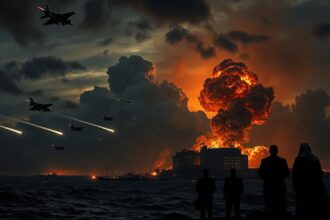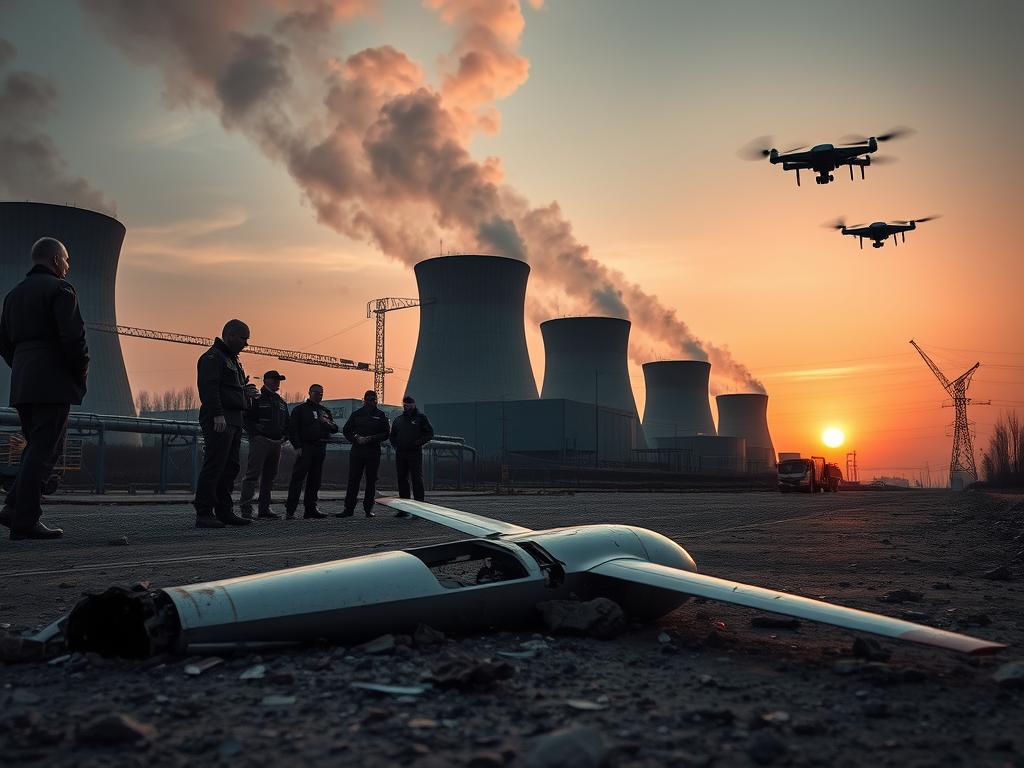
In a recent escalation of tensions, Russian authorities reported that debris from a drone, allegedly from Ukraine, struck the Novovoronezh nuclear power facility. This incident, which occurred on Thursday, prompted a temporary reduction in the plant’s operations, raising alarms over the potential risks to nuclear safety amidst ongoing geopolitical conflicts. The head of Russia’s Rosatom nuclear agency, Alexey Likhachev, emphasized the certainty of the drone’s origin and target, spotlighting a new dimension of warfare that could have far-reaching consequences.
The deployment of drones presents a modern challenge in military strategy, especially when crucial infrastructure like nuclear plants becomes involved. The precision and stealth characteristics of these unmanned aerial vehicles make them a formidable tool in the arsenal of contemporary warfare. However, when directed at sensitive facilities, the stakes rise considerably, as any miscalculation or mishap could lead to catastrophic outcomes affecting millions.
This incident underscores the increasing entanglement of technological warfare with civilian safety, which presents unique challenges for both national and international security frameworks. Determining the appropriate response to such threats without escalating conflicts further is a tightrope that must be carefully navigated. It’s crucial that all parties involved recognize the potential hazards and engage in dialogue to mitigate risks associated with military activities near sensitive sites.
While the drone incident did not lead to a nuclear disaster, it highlights a dire warning of what each party stands to lose through unchecked aggression. The temporary reduction in plant output served as a cautionary measure, illustrating the delicate balance energy infrastructure must maintain amidst geopolitical turmoil. It also illuminates the necessity for reinforced defenses around critical facilities to prevent future breaches of this nature.
In conclusion, the incident at Novovoronezh serves as a stark reminder of the vulnerabilities inherent in modern international conflicts. As drone technology evolves, so too must our policies and protective measures. Ensuring nuclear safety should be prioritized above the political fray, and it is essential for nations to collaboratively develop frameworks that safeguard against this new era of warfare. Only through cooperation and communication can we hope to avert potential disasters and secure a peaceful future.