






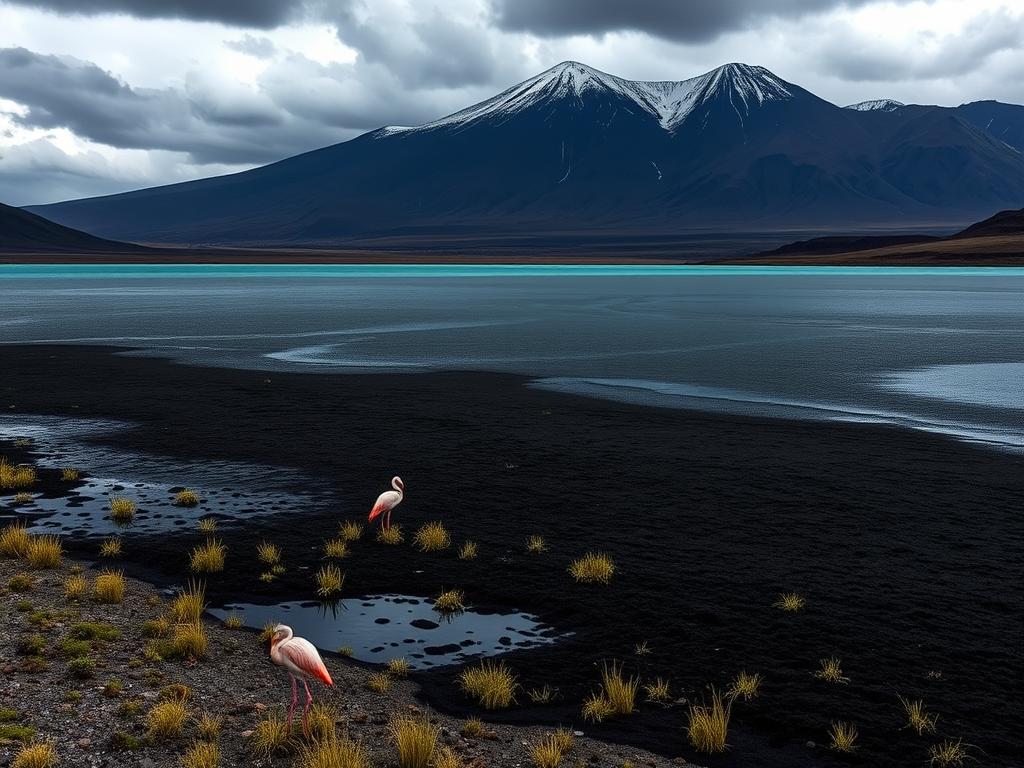
The serene landscapes of Lauca National Park, renowned for its breathtaking vistas and rich biodiversity, have recently been marred by an unexpected catastrophe. Officials have announced the indefinite closure of the Chungará sector within the park following a significant oil spill that unleashed thousands of liters of oil into the environment. This event not only disrupts the ecological balance of the area but also highlights the ever-present risks associated with managing natural and industrial activities in tandem.
Located in the stunning Andean region of northern Chile, Lauca National Park is a treasured natural haven, sheltering a plethora of unique species and ecosystems. The abrupt closure of the Chungará sector—a key highlight of the park famous for its picturesque lake—marks a significant setback for conservation efforts. The spill’s immediate impact on the park’s flora and fauna is deeply concerning, raising questions about the protocols in place to prevent such incidents.
As investigations into the spill’s cause and scale commence, the focus is shifting towards the recovery efforts necessary to restore the park’s delicate ecosystems. Environmental experts and conservationists are advocating for a comprehensive cleanup plan that not only addresses the oil contamination but also implements robust preventative measures for the future. Such steps are crucial, considering the interconnectedness of ecosystems where any disruption can lead to far-reaching consequences across the entire biome.
The situation also shines a light on the broader implications of industrial activities intersecting with protected natural areas. It serves as a somber reminder of the need for stringent regulatory frameworks and enhanced monitoring to safeguard these precious environments from industrial accidents. As the global community becomes increasingly aware of environmental stewardship, the unfolding situation in Lauca National Park could serve as a catalyst for more rigorous environmental policies and international cooperation.
While the indefinite closure of the Chungará sector is a setback for eco-tourism and local economy, it presents a crucial opportunity for reflection and change. As stakeholders collaborate on recovery efforts, there is an urgent call for innovative approaches to environmental protection. Ensuring the resilience of our natural sanctuaries against future threats is not just a local imperative but a global responsibility, underscoring the profound role nature plays in our collective well-being.