Tuberculosis (TB) has long been a public health challenge in India, a country that constitutes a significant burden of the global TB cases. Despite concerted efforts, India missed its ambitious target to eradicate TB by 2025. The reasons are multifaceted, involving medical, societal, and logistical hurdles that continue to obstruct progress. In understanding these challenges, it’s crucial to explore the landscape of TB in India and how it impacts the current strategies against this age-old disease.
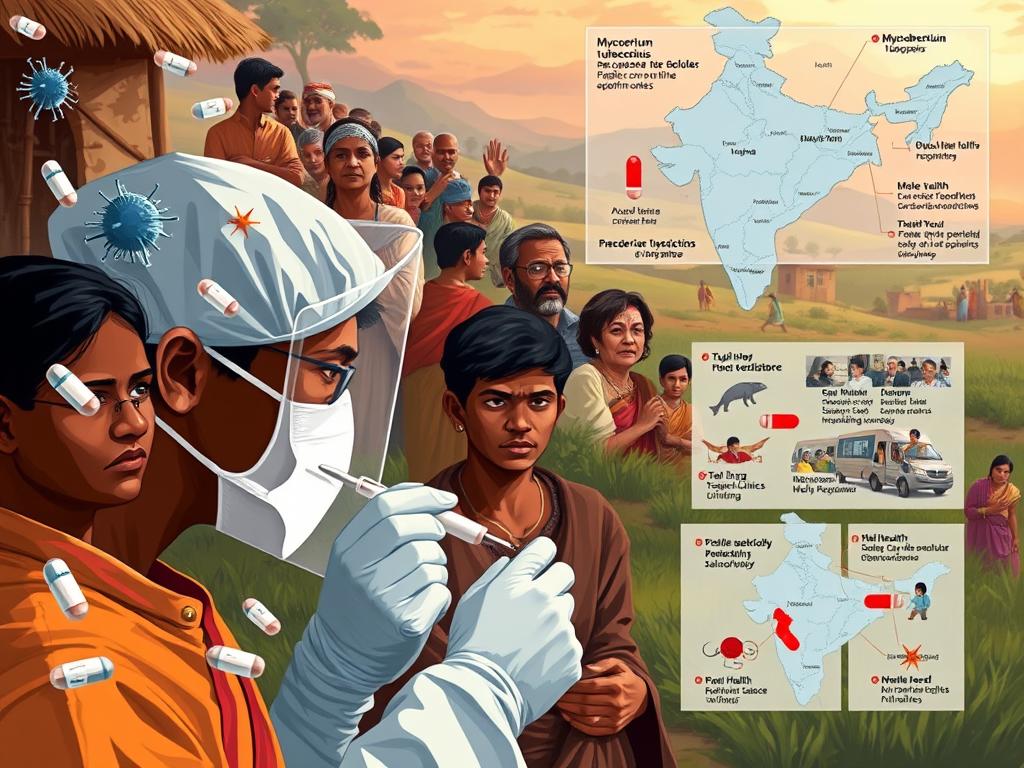
One major hurdle in eradicating TB is the stigma associated with the disease. Social stigma often discourages individuals from seeking timely diagnosis and treatment, due to fear of discrimination. This can lead to prolonged transmission of the disease within communities. Effective public health education campaigns are vital to changing these perceptions, but their impact has been slow and uneven across different regions and communities in India.
From a healthcare perspective, the emergence of multi-drug resistant TB (MDR-TB) poses a unique challenge. MDR-TB strains are not responsive to standard TB treatment, requiring more complex and expensive healthcare solutions. India has been scaling up its capacity to diagnose and treat MDR-TB, yet the availability of resources remains a significant constraint. The focus needs to shift towards strengthening healthcare infrastructure, equitable distribution of medical supplies, and continuous training of healthcare workers to manage such complex cases efficiently.
Logistical challenges also play a crucial role. India’s vast and diverse geography can make consistent and comprehensive healthcare delivery difficult. Rural areas, in particular, struggle with limited access to health facilities, resulting in delayed diagnosis and treatment of TB. Government initiatives aim to bridge this gap through mobile clinics and telemedicine; however, these solutions require substantial investment and logistical coordination to be effective.
In conclusion, while India’s objective of being TB-free by 2025 was not achieved, the country remains steadfast in its fight against TB. By addressing societal stigma, emerging drug-resistant strains, and logistical hindrances, India can carve a path toward significant progress in TB eradication. The government’s robust plans and continued global collaboration may well fuel renewed momentum, positioning India closer to a TB-free future. Thoughtful policy implementation and community engagement are essential components in overcoming the obstacles and achieving success in this ongoing public health battle.