





In a groundbreaking development that bridges biotechnology and cellular biology, scientists have unveiled a novel sensor capable of tracking DNA breaks and their subsequent repair within living cells, all in real time. This innovation empowers researchers to observe the dynamic processes within chromatin, ushering in a new era of molecular understanding and therapeutic innovation. It’s as if the intricate dance of cellular repair mechanisms is finally being captured on camera, providing insights that were previously out of reach.
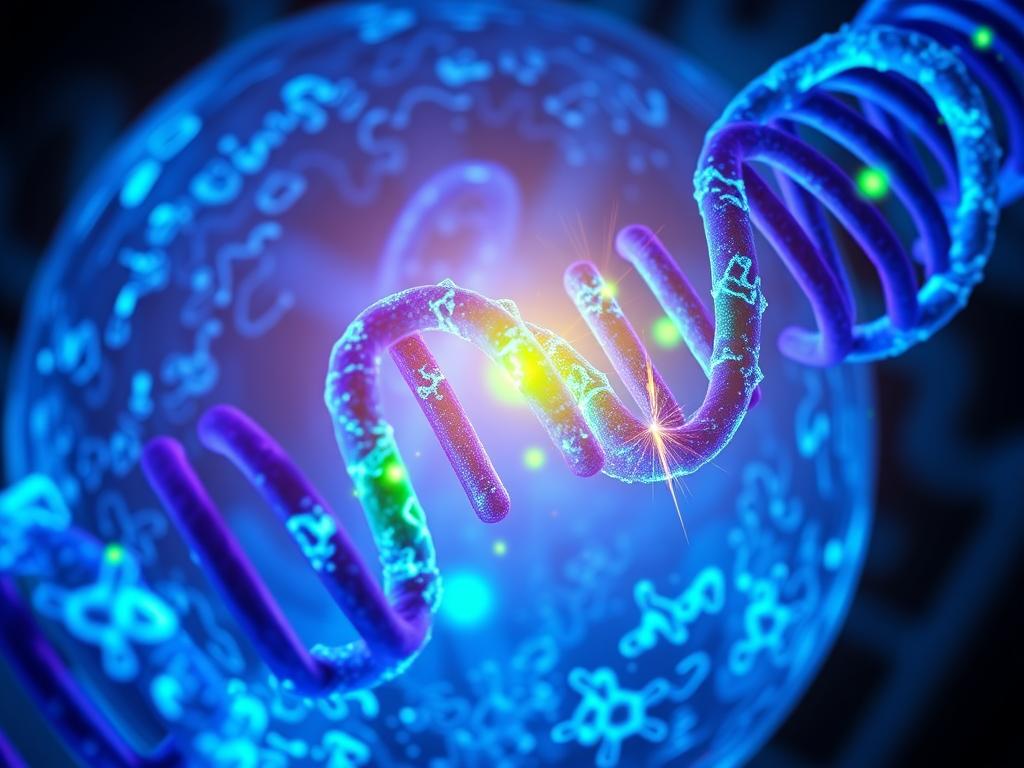
The sensor functions by utilizing engineered chromatin readers. These readers can detect and visualize the fluctuations in chromatin dynamics as DNA strands undergo damage and repair. This real-time observation is akin to having a high-definition, live-stream camera on the cellular repair crew, which is pivotal in understanding how cells respond to and manage DNA damage—a key factor in numerous diseases, including cancer.
This technological advancement is not just a laboratory curiosity; it holds immense potential for practical applications. By understanding how DNA repair operates under various conditions, scientists can better develop targeted therapies for genetic disorders and next-generation cancer treatments. Diseases that result from faulty DNA repair mechanisms might soon find themselves squarely in the crosshairs of novel, precise interventions thanks to this research.
Moreover, observing these processes in real time addresses a long-standing challenge in cellular biology—capturing transient, fleeting interactions and responses that static snapshots often miss. It offers researchers an unprecedented window into the cell’s internal workings, allowing for the observation of immediate responses to environmental stresses, drug treatments, and genetic mutations. This could revolutionize the way preclinical trials are conducted, making them faster and perhaps even individually tailored.
In conclusion, this new sensor not only expands the horizon of basic scientific research but also lays a concrete path toward enhanced medical diagnostics and treatment strategies. By lighting up the darkened pathways of cellular repair, it offers hope for more effective solutions to genetic anomalies and deeper insights into the resilience of life at its most fundamental level. As these real-time monitors come into wider use, the ripple effects are bound to inspire a generation of tailored treatments and bespoke medical solutions.