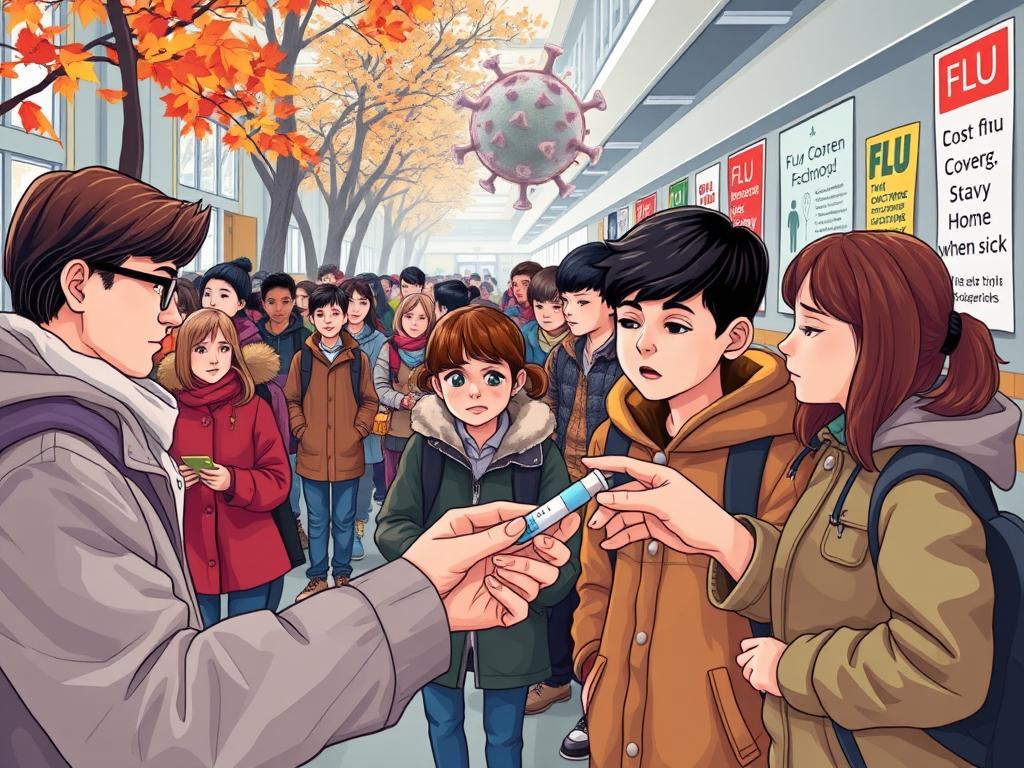
As the chill of autumn begins to set in, so does an undercurrent of concern about rising flu cases across the United States. Recent data from the Centers for Disease Control and Prevention (CDC) reveals a noticeable uptick in flu activity, particularly impacting children and young adults. This trend is marked by an increase in the positivity rate for flu tests, climbing from 2.9 percent to 5 percent in just one week. Such statistics underscore the importance of public health vigilance as we navigate through the early stages of flu season.
During this transitional period between seasons, it’s not uncommon to see fluctuations in flu activity, yet the rapid increase demands attention. Children and young adults, who often mingle in crowded settings such as schools and colleges, are especially vulnerable to the spread of influenza. Their active lifestyles and close-contact scenarios make them prime candidates for contracting and spreading the virus further. As such, this demographic trend could serve as an indicator for wider community spread, making it essential to respond with effective public health strategies.
While the flu is not a new adversary, its ever-changing strains pose a perennial challenge. Each flu season carries with it the potential for significant impact, reminding us of the importance of vaccination. It’s crucial, especially for those within the high-risk age brackets, to receive their annual flu shots to mitigate the risk of severe illness. Vaccination remains one of the most powerful tools at our disposal, ensuring that even if one contracts the flu, the severity and duration of symptoms are significantly reduced.
Parents, educators, and healthcare providers play a pivotal role in combating this seasonal menace. Encouraging good hygiene practices, such as frequent hand-washing, covering coughs, and staying home when sick, can help curtail the spread. Educational institutions should take proactive measures to prevent outbreaks, possibly altering attendance policies to ensure sick students stay home and recover fully before returning to class.
As we move deeper into flu season, awareness, preparation, and timely action are key in limiting the flu’s reach and impact. This recent surge in positivity rates is a clarion call for communities to protect themselves with vaccines, practice preventive measures, and support public health initiatives. By acting collaboratively and responsibly, we can blunt the progression of flu season and safeguard the wellbeing of all, especially our younger populations who are currently most affected.