






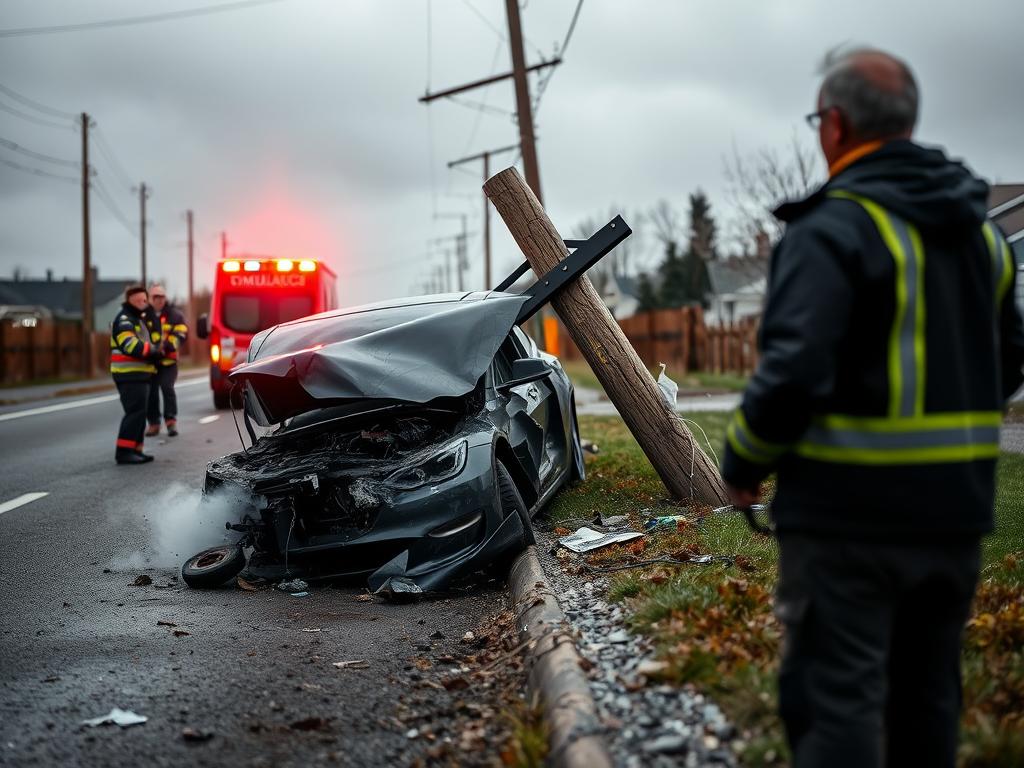
The recent lawsuit surfacing against electric vehicle giant Tesla has once again spotlighted the intense debates surrounding automotive safety and accountability. The tragic incident in Washington state, where a Tesla Model 3 allegedly accelerated uncontrollably before crashing into a utility pole and catching fire, tragically culminated in the death of Wendy Dennis and severe injury to her husband, Jeff. The incident highlights the critical role design and engineering play in ensuring the trust and safety of consumers in the burgeoning electric vehicle market.
At the core of the lawsuit is the claim of inherent design flaws in Tesla’s Model 3, raising questions about the viability and safety of current automotive technologies. This is not the first instance where Tesla’s design and technology have come under scrutiny. Previous incidents have also highlighted potential weaknesses or oversights in autonomous driving features and vehicle control systems. These lawsuits are not just legal challenges but pose existential questions about the future of cars that increasingly rely on complex software and AI.
Tesla, a pioneer in electric vehicles, has consistently argued that their technologies improve road safety and deliver unprecedented driving experiences. However, incidents like this underscore the fine line between innovation and safety. As cars become more like computers on wheels, any glitch, no matter how small, can lead to severe consequences. The automotive industry must balance cutting-edge advancements with rigorous testing and fail-safes to protect consumers.
This tragedy also illustrates the essential role of regulatory bodies in this sector. While innovation pushes the boundaries, regulatory oversight must ensure that new technologies are safe for public use. This incident may prompt regulatory bodies to examine and potentially tighten standards for vehicular software and autonomous features, ensuring that advanced technology does not compromise foundational safety standards.
In conclusion, as we grapple with the implications of such lawsuits, there’s an urgent need for a collaborative approach involving automotive companies, regulators, and researchers. It’s imperative to create a system where innovation is pursued responsibly, offering both revolutionary advancements and unwavering safety. The future of automotive technology will largely depend on how successfully these entities can navigate these complex challenges, learning from past incidents to build a safer tomorrow for all.