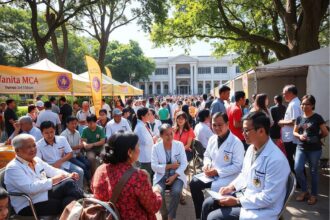






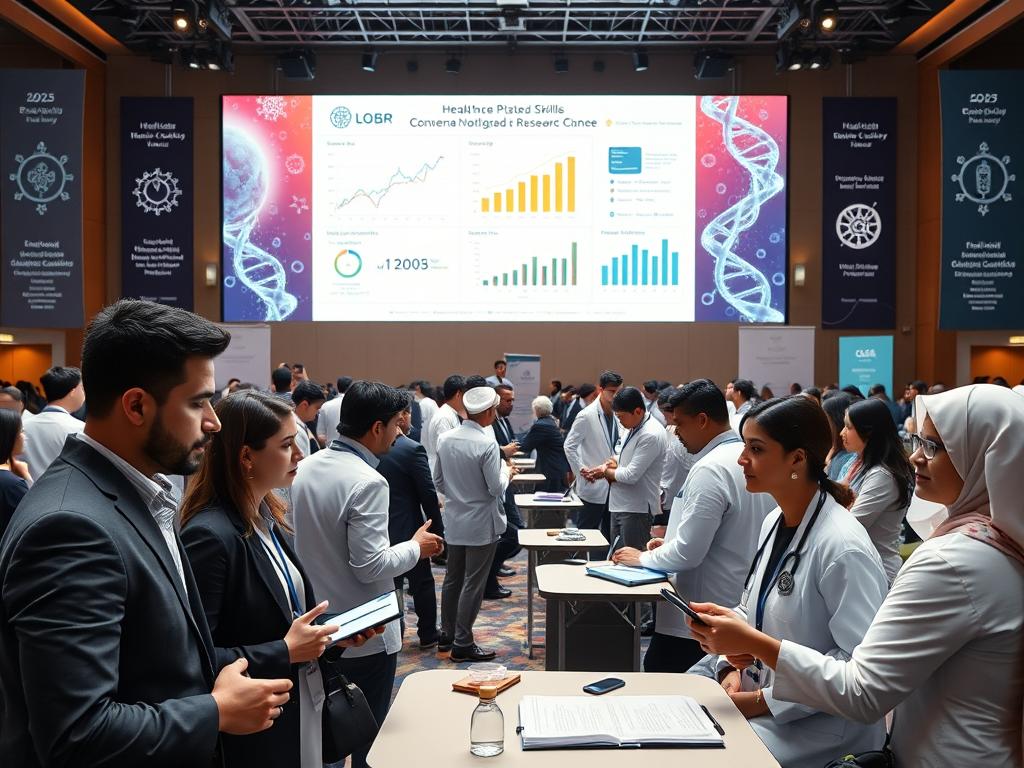
The recently concluded 6th International Primary Health Care Conference in Doha spotlighted a crucial aspect of healthcare development: the enhancement of research capabilities among clinical physicians and decision-makers. This gathering of global experts in 2025 underscored that empowering healthcare professionals with robust research skills can significantly transform patient outcomes and streamline healthcare systems worldwide.
In an era where evidence-based medicine is pivotal, strengthening the research acumen of healthcare providers can’t be overstated. Participants at the conference emphasized how data-driven insights and rigorous research methodologies can be transformative tools in addressing the myriad challenges faced in primary healthcare. By boosting the research prowess of clinicians and policymakers, healthcare systems can become more adaptive and proactive in dealing with emerging health issues.
This call to action is particularly pressing in our rapidly evolving world where pandemics, lifestyle diseases, and technological advances constantly reshape the healthcare landscape. The skills acquired through research not only enable healthcare professionals to appraise existing knowledge critically but also empower them to contribute novel insights and solutions. Such capabilities are crucial for creating health policies that are both innovative and grounded in scientific rigor.
Moreover, strengthening the interdisciplinary collaboration between researchers and clinical professionals can create a dynamic environment where ideas and practices flourish. The exchange of knowledge between these stakeholders is vital for developing comprehensive strategies that cater to diverse patient needs. Enabling a robust research culture within primary healthcare settings offers the dual benefits of improving healthcare delivery and fostering professional growth among practitioners.
In conclusion, the IPHCC in Doha served as a timely reminder of the immense potential embedded in marrying clinical practice with cutting-edge research. As the global healthcare community faces ongoing and new challenges, the emphasis on developing deep research capabilities among physicians and decision-makers is a forward-looking strategy that promises to elevate our collective capacity to ensure better health outcomes for all. In promoting such initiatives, we move closer to achieving a healthier, more informed world.