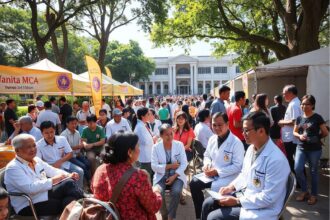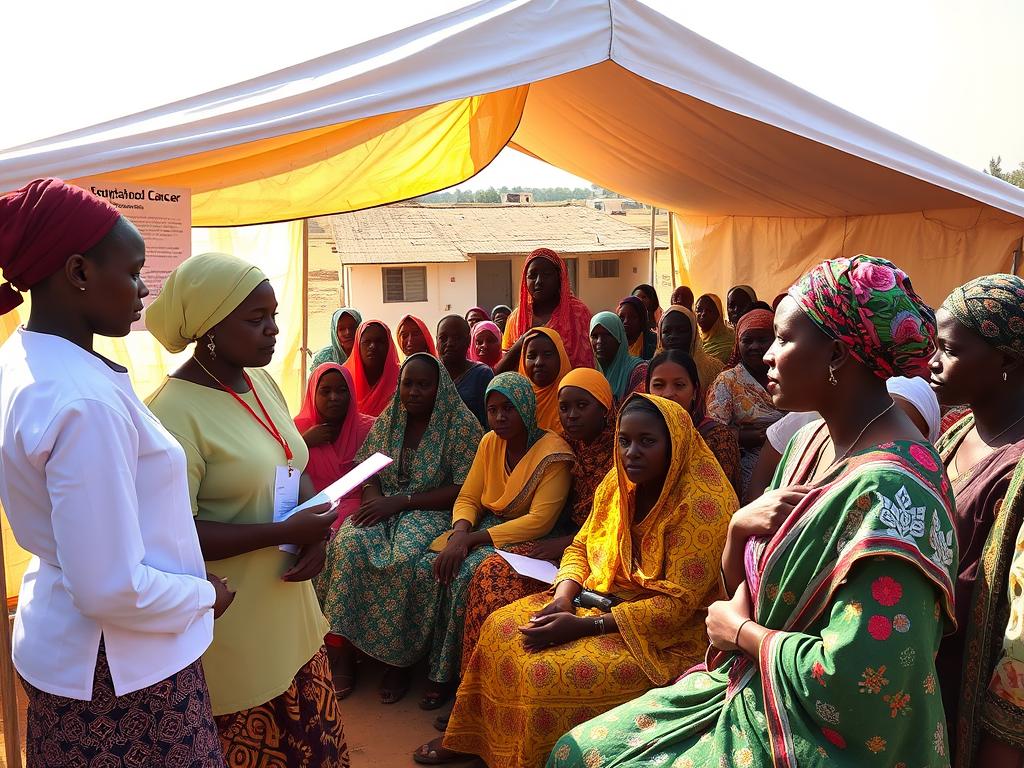
The North-East Development Commission (NEDC) and the Medical Women Association of Nigeria (MWAN) in Bauchi have been heralding a transformative initiative aimed at addressing a critical health issue. Their recent outreach program focused on the screening of over 1,000 women for breast and cervical cancers, marking a significant stride in promoting women’s health in the region. This joint effort not only underscores the importance of early detection but also highlights the vital role that collaborative healthcare efforts play in enhancing public health outcomes.
In a region where healthcare resources are often stretched thin, this initiative shines as a beacon of hope and progress. The awareness and screening campaign addressed both breast and cervical cancers, two of the leading causes of mortality among women worldwide. By conducting these screenings, the NEDC and MWAN are not merely providing immediate healthcare assistance—they are enabling long-term positive impacts by educating women on the importance of regular health checks and early intervention.
This proactive approach is crucial in combating the stigma and fear often associated with cancer diagnostics in many parts of the world, including Nigeria. The initiative is not only about detecting diseases; it’s also about changing the narrative around women’s health. Educating communities on cancer awareness can lead to increased community support, which is essential in encouraging more women to participate in such life-saving screenings.
The partnership between NEDC and MWAN exemplifies the power of synergy in healthcare. By combining resources, expertise, and reach, these organizations have managed to transcend logistical constraints and bring essential services to those who need them most. This collaborative model could serve as a template for similar initiatives across other parts of Nigeria and beyond, leveraging strengths to tackle major public health challenges effectively.
While this outreach is a commendable step in the right direction, it must be part of a larger, sustained effort to improve healthcare infrastructure and resources throughout the region. Continuous support and follow-up are necessary to ensure that the women who were screened receive the necessary care and treatment. This initiative is a reminder that while challenges remain, focused efforts can lead to meaningful change. It invites us all to reimagine what is possible when communities and organizations unite for a common cause.