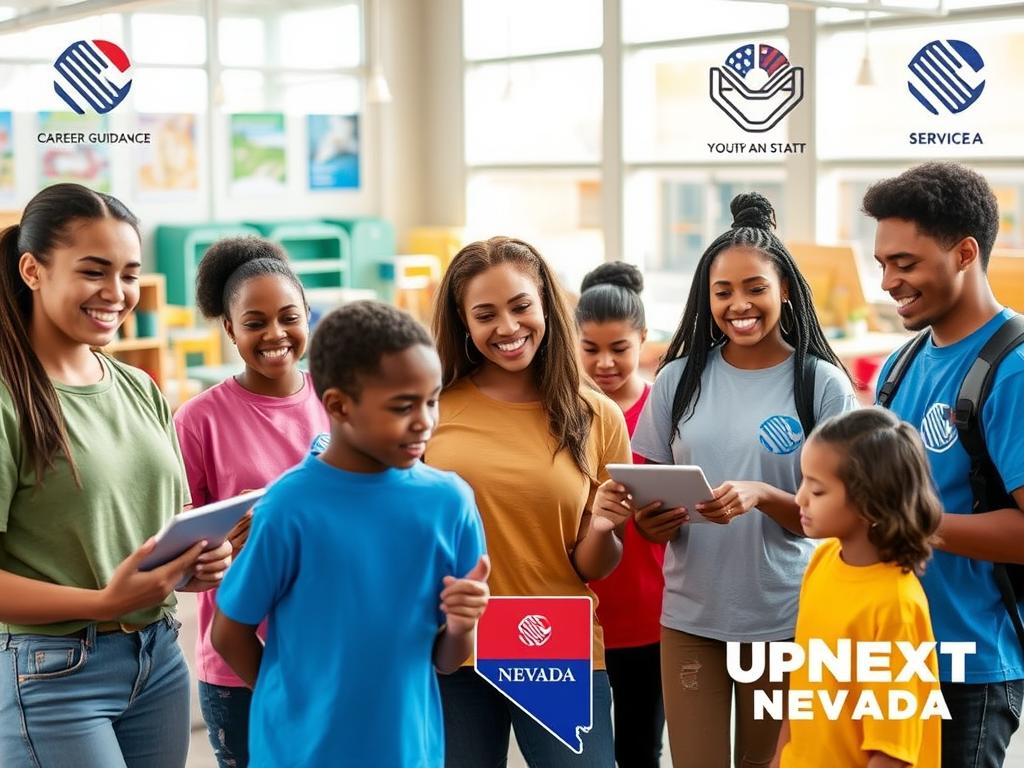
In an era where the landscape of employment is in constant flux, Nevada is making strides to offer young adults a robust platform to kickstart their careers. The ‘Up Next Nevada’ initiative is targeting the state’s next generation of workers, particularly those aged 18 to 24, to develop valuable skills and gain professional experience. The focus is on employees involved in Boys and Girls Clubs (BGC) programs, including child care, enrichment, and recreational activities—sectors critical to community development.
This initiative emerges at a time when young adults face a challenging job market, more so than previous generations. With automation and evolving work environments reshaping traditional roles, there is a growing need for specialized training and career guidance. Up Next Nevada addresses this gap by offering practical experiences that not only provide immediate employment but also prepare participants for long-term career success.
BGC, in collaboration with the Department of Employment, Training and Rehabilitation (DETR), has recognized the dual purpose their programs serve—not only as community pillars providing essential services but also as opportunities for personal growth and career development. By integrating young adults into BGC’s framework, the initiative provides a real-world setting where essential skills such as leadership, communication, and problem-solving are honed.
From my perspective, Up Next Nevada is a commendable approach to workforce development. By targeting a specific age group that often hovers at the crossroads of educational pursuits and the full-time workforce, this initiative provides a structured yet flexible pathway. Moreover, it reflects a growing trend where community service roles are rightly seen as pivotal skill-building arenas, offering young adults a unique blend of hands-on experience and altruistic engagement.
In conclusion, Up Next Nevada is more than just a program—it’s a testament to Nevada’s forward-thinking approach to career development. By investing in its young adults through innovative and practical measures, the state is not only supporting immediate employment needs but also laying the groundwork for a resilient, skilled, and community-conscious workforce. This could well serve as a model for other states to emulate, inspiring similar initiatives that marry community service with career development, ultimately fostering a more inclusive and dynamic economy.