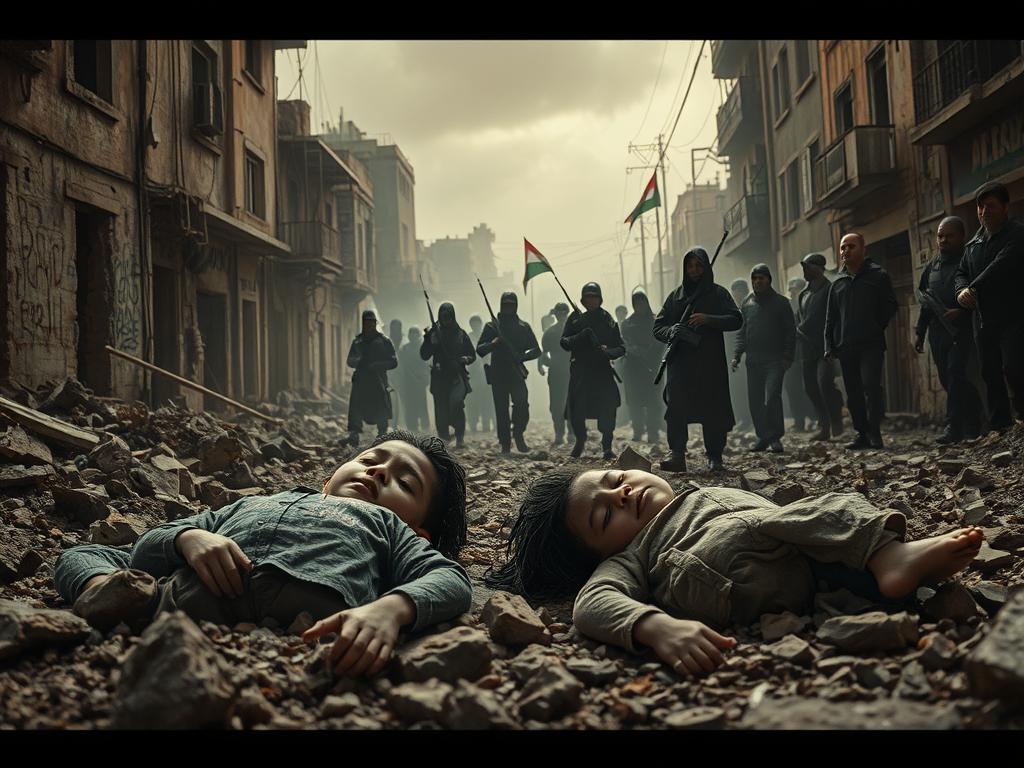
The echoes of conflict in the Middle East reverberated sharply with the troubling incident in Jenin, where two young Palestinians lost their lives in a manner that has prompted international outcry. The Democratic Front for the Liberation of Palestine (DFLP) quickly condemned the incident, labelling it an atrocious act perpetuated by enemy forces. This narrative of violence not only calls for justice but challenges the conscience of a world that watches in dismay.
In a situation fraught with long-standing tensions, each act of violence becomes symbolic—reflecting layers of historical grievances and unresolved territorial disputes. The event in Jenin is no exception, shedding light on the deep-seated hostilities that continue to fuel the fire of this decades-long conflict. Both sides claim deep historical ties to the land, but incidents like these underscore the urgent need for comprehensive dialogues rather than military exchanges.
The DFLP’s accusations are severe and place a spotlight on international diplomacy’s often precarious role in these skirmishes. The accusations of ‘sadism’ and detailed documentation of the events are grim reminders of how each side views the other, not just through the lens of politics and territory, but through profoundly human experiences of loss and fear. These incidents test the fabric of international alliances, particularly those countries that provide military and diplomatic support, prompting questions of accountability and ethical governance.
For the global community, the incident raises crucial questions about the role of international oversight and the mechanisms available to prevent such events. Is the world, often slow to intervene, willing to prioritize human rights over geopolitical interests? The pattern of cyclical violence demands not just reactive statements but proactive measures that can lead to sustainable peace. An effective response requires collaboration that transcends simple condemnation, driving towards actionable solutions that address root causes of the conflict.
In conclusion, the incident in Jenin is not just an isolated tragedy but a representative struggle that finds its place within a larger tapestry of human rights issues worldwide. It implores every global citizen, leader, and diplomat to reflect not just on the specific events, but on the broader implications of silence and inaction amid narratives of violence. As the memories of these martyrs echo through the region, the challenge remains for the international community to find pathways to peace that honor their lives and consign the fervor of such conflict to history.