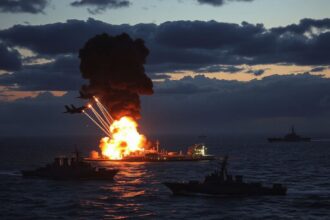






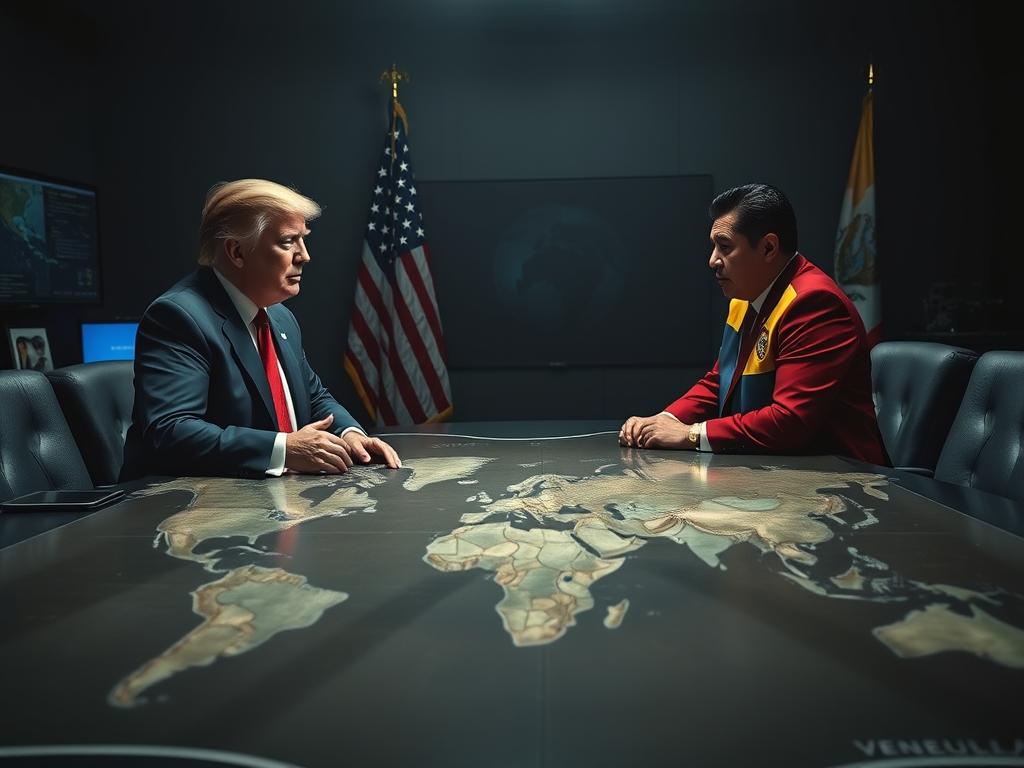
In a world where political dynamics change swiftly, the United States stands on a pivotal point concerning Venezuela. President Donald Trump recently hinted that while military intervention remains a last-resort option, there is a pathway for diplomatic negotiations with Venezuelan leader Nicolás Maduro. This dual strategy highlights the complexities of international relations, showcasing the administration’s attempts to maintain pressure while keeping doors open for peaceful resolutions.
While some may view military action as a harsh stance, it’s important to understand it as part of a broader strategy designed to push for a productive dialogue. The U.S. has long criticized Maduro’s regime for undermining democratic processes and causing economic collapse, which significantly affected the population. By leaving military options on the table, the U.S. maintains a position of strength, stressing the urgency for Venezuela’s leadership to consider meaningful change.
On the other hand, Trump’s mention of potential diplomatic talks points to a more open-ended approach. Engaging directly with Maduro could lead to dialogues fostering mutual understanding and perhaps laying the groundwork for democratic restoration in the country. This approach aligns with global diplomatic norms that prioritize peaceful conflict resolution whenever possible, reflecting a nuanced strategy that balances force and negotiations.
Critics of military intervention argue that it could exacerbate the humanitarian crisis in Venezuela, bringing further instability to an already strained region. Such measures could lead not only to immediate consequences for the people of Venezuela but also bolster anti-American sentiments among its regional allies. In contrast, diplomacy presents an avenue to aid in the country’s reconstruction, offering support to foster Venezuela’s recovery while ensuring stability through cooperation.
Ultimately, the event represents more than a bilateral issue; it is a true test of international diplomacy for the Trump administration. As tensions linger, combining diplomatic engagements with strategic deterrence could pave the way for tangible changes in Venezuela. The global community watches closely, hopeful for a future where dialogue triumphs over discord, leading to sustainable peace and prosperity for the Venezuelan people.