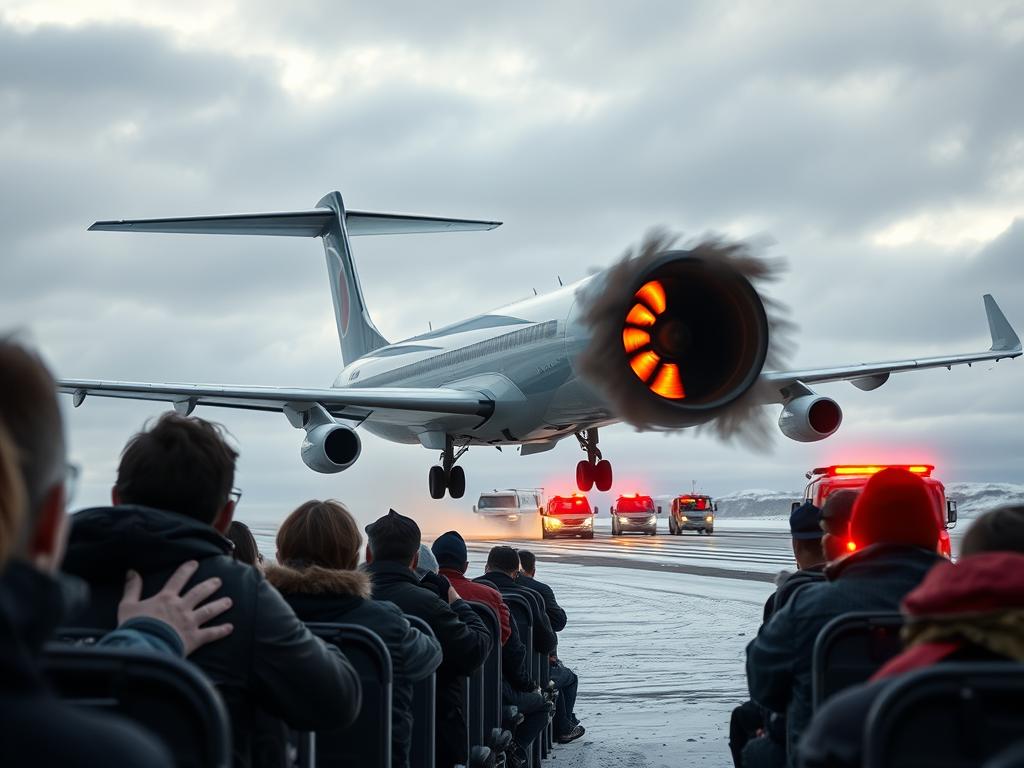
The serenity of an ordinary flight was abruptly shattered on May 7, 2024, when passengers aboard an aircraft from Chesterfield Inlet to Rankin Inlet experienced a harrowing descent. As the plane began to lower altitude, the engine’s sudden series of loud bangs, coupled with visible flames spewing from the exhaust, signaled impending trouble. This unforeseen drama concluded with a nerve-wracking emergency landing in Rankin Inlet, thanks to the crew’s poise and skillful execution.
At the heart of this crisis were the fractured turbine blades—unseen culprits that highlight an all-too-common yet critically dangerous issue in the aviation industry. Turbine blades endure extreme temperatures and immense pressure, making them susceptible to wear and failure. Regular inspection and maintenance are paramount to preventing such incidents, yet this case starkly underscores how even small lapses or undetected damages can lead to substantial threats.
The incident serves as a sobering reminder of the complex interplay of technology and human expertise in aviation safety. While modern aircraft boast sophisticated systems designed for efficiency and safety, they are ultimately human-engineered and, thus, not infallible. The smooth operation of these machines depends not just on technology but on the skilled individuals who design, maintain, and operate them day in and day out.
Given the sheer number of flights operating daily, events like these, although rare, remind us of the unpredictable nature of air travel. Each incident demands exhaustive investigation to glean crucial insights and enhance future safety protocols. The aviation sector must continually adapt and refine its approaches to risk assessment, incorporating lessons from incidents to fortify the fabric of air travel safety.
This ordeal concluded without loss of life or serious injury, a testament to the training and quick thinking of the airline crew. Yet, as passengers step back into the skies, it remains crucial to balance confidence in air travel with vigilance and continuous improvement. As the investigation proceeds, it promises to offer valuable lessons not just for the affected airline but for the entire industry, driving home the timeless mantra: safety is always paramount.