The recent crash of a UPS cargo plane near Louisville, Kentucky, has left the aviation world reeling and raised serious concerns about flight safety protocols. The incident, which resulted in the tragic loss of 14 lives, is now being scrutinized under a magnifying glass, with investigators highlighting a critical failure in the plane’s engine mount as a possible cause. This revelation offers a grim reminder of the importance of rigorous maintenance and safety checks in the aviation industry.
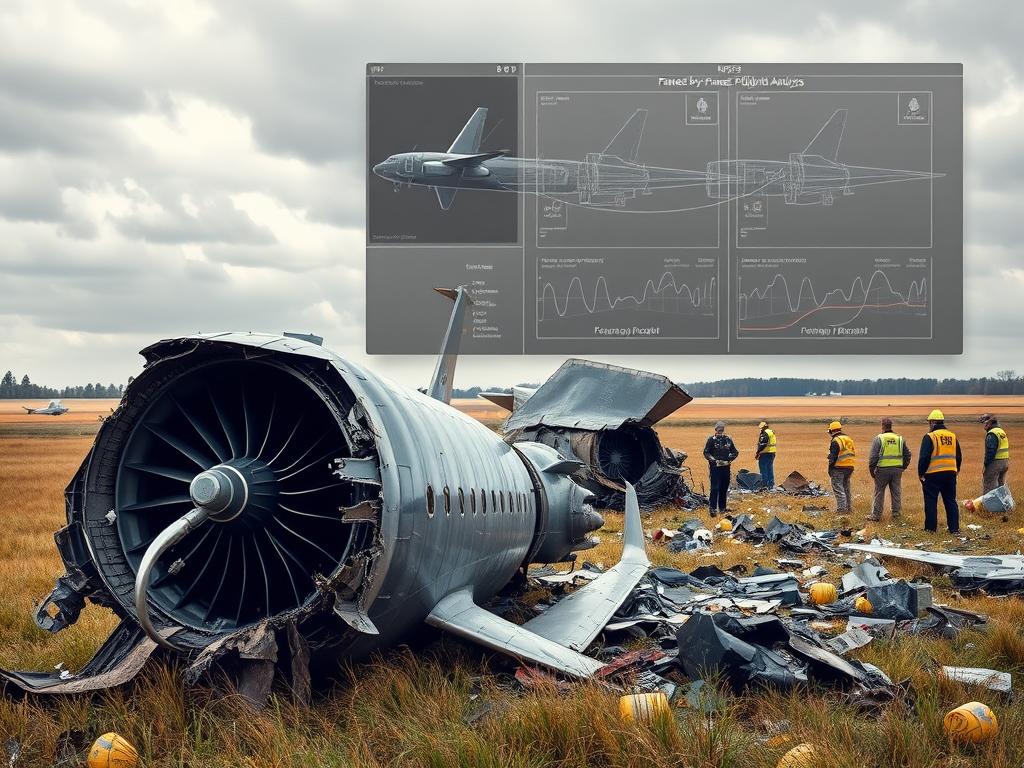
The National Transportation Safety Board’s (NTSB) preliminary findings reveal the presence of cracks in the engine mount—an essential structure responsible for securing the engine to the aircraft frame. With the release of dramatic frame-by-frame analysis and imagery by the NTSB, the moments leading up to the crash are now more transparent. These images vividly capture the catastrophic failure as the engine separated from the plane, underscoring how small structural compromises can lead to large-scale tragedies.
This incident shifts the spotlight onto maintenance schedules and the rigorous checks required to ensure the structural integrity of aircrafts. It raises the question of whether existing inspection protocols are sufficient and prompts a reevaluation of engineering processes. The aviation industry regularly faces the tough task of balancing economic objectives with stringent safety measures. This tragedy serves as a stark reminder of what’s at stake should corners be cut in the pursuit of efficiency.
While new technologies and engineering advancements have significantly improved air travel safety, this incident highlights the omnipresent need for vigilance in aircraft maintenance. It advocates for the human factors involved in regular inspections—encouraging airlines to prioritize ongoing training for their maintenance teams so that potential failures, even in hard-to-spot areas, can be identified before they escalate to disasters.
In conclusion, the unfortunate UPS cargo plane crash in Kentucky serves as a crucial learning point for both airline operators and maintenance crews globally. It’s a reminder that in aviation, as in many fields, safety requires unwavering commitment and continuous improvement. As the investigation unfolds, the findings will hopefully lead to enhanced safety protocols that prevent such tragedies in the future, honoring the memory of those lost in this devastating event.