






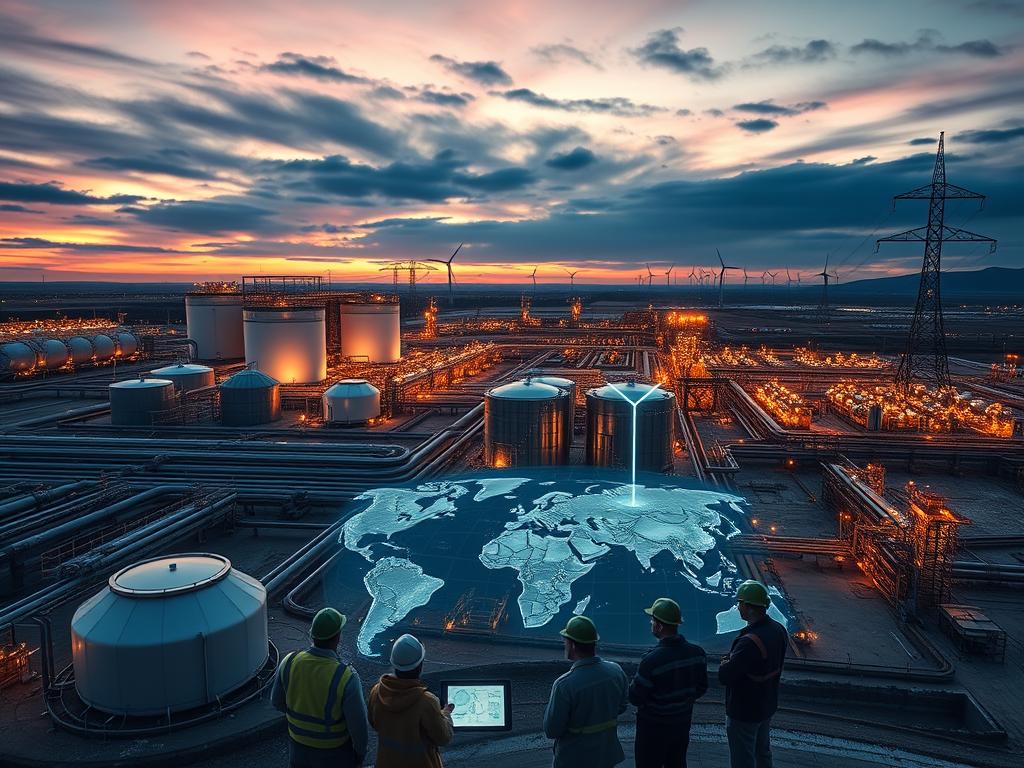
As the energy demands of the United States continue to grow, the National Association of Regulatory Utility Commissioners (NARUC) has shed light on the structural necessities that support our electric grid. Their recent report suggests that not only is additional natural gas infrastructure needed, but also that a deeper integration between the gas and electric sectors could enhance overall grid reliability. With key lessons learned from previous winter storms that left hundreds in the dark, the urgency for a seamless energy supply has never been more apparent.
The call for more natural gas pipelines and storage facilities is grounded in recent events that showcased the vulnerability of our energy systems. During catastrophic events such as Winter Storm Uri in 2021, the interplay between natural gas availability and electricity generation was starkly evident. The storm illuminated how power cuts to gas production facilities can magnify into a large-scale energy crisis, painting a clear picture of the interdependence between these sectors.
Notably, while the NARUC report explores various policy perspectives, it stops short of recommending the establishment of a dedicated Gas Reliability Organization. The hesitation to create a new body suggests a preference for leveraging existing frameworks while pushing for harmonization across current systems. Aligning gas with electric market schedules, for instance, remains a topic of debate, with the task force choosing to focus instead on actionable steps like enhancing market tools and incentivizing gas capacity releases.
The notion of harmonization between gas and electricity sectors taps into broader discussions about grid readiness and resilience. Amidst growing climate unpredictabilities, strengthening the infrastructure that supports our nation’s energy is essential. Proposals from the report such as forming a readiness forum and encouraging strategic investments in gas storage not only aim to buffer the grid against sudden disruptions but also empower consumers with better supply control. These initiatives reflect a strategic vision to avert energy shortages in future climate events.
In conclusion, the NARUC findings call for a nuanced and collaborative approach to energy sector integration. By addressing economic and operational challenges collectively, there is potential to transform how the U.S. manages its energy resources. As energy leaders align efforts to fortify the grid, it becomes imperative that stakeholders prioritize sustainable and adaptable solutions to safely guide the nation through an era of evolving energy landscapes.