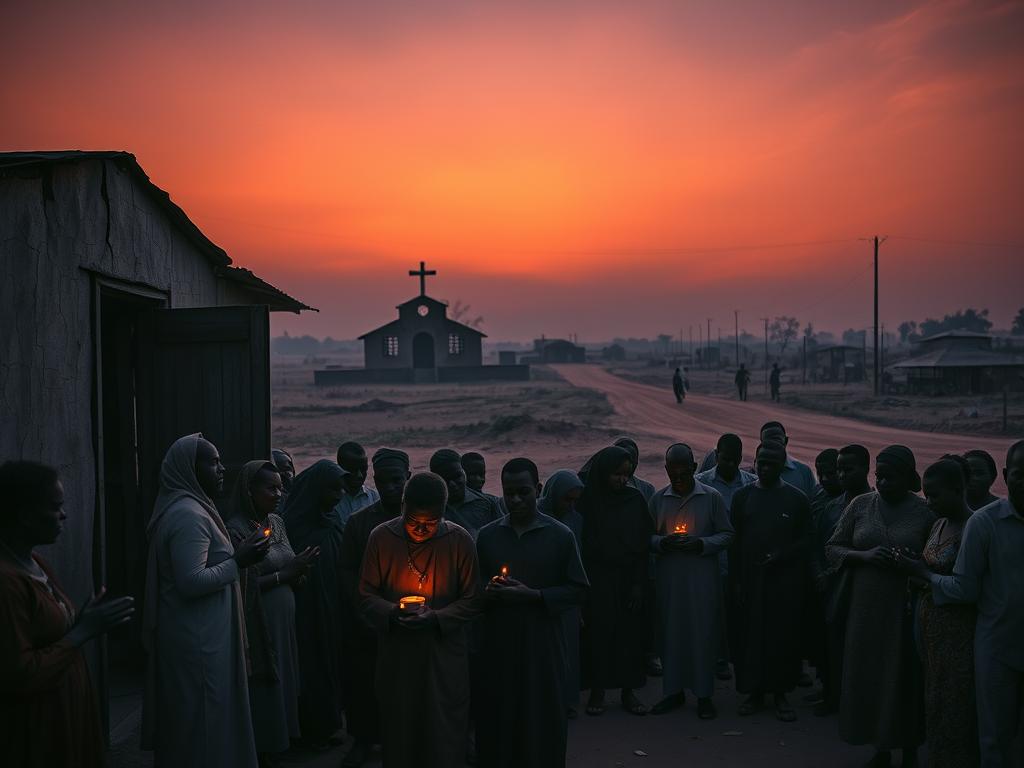
The recent murder of an Anglican priest in northwest Nigeria has once again cast a grim spotlight on the escalating wave of insecurity plaguing the region. This tragic event marks a troubling pattern of violence and abduction that has gripped the nation, stirring both domestic and international outcries for more substantial action against these atrocities. The Church of Nigeria recently confirmed the tragic news, leaving communities and faithful mourners seeking solace and demanding justice be served swiftly.
For several years now, Nigeria’s northwest has been a theater of unrest, with kidnapping becoming alarmingly routine. These heinous acts often target both the affluent and vulnerable, and no distinction is made between civilians and religious figures. The late priest’s abduction highlights a disturbing trend where such crimes are used as leverage against communities, exacerbating the anxiety and fear in everyday life.
One might wonder why this region is specifically prone to such brutalities. Several issues intertwine to create a perfect storm: longstanding ethnic tensions, economic disparities, and the proliferation of armed groups seeking both ransom and influence. The Nigerian government’s response has often been criticized as inadequate, struggling to combat the root causes while simultaneously addressing the immediate threat. Unfortunately, this inaction perpetuates the cycle of violence, making meaningful resolution ever elusive.
International stakeholders have expressed their concerns, urging Nigerian authorities to deploy more effective measures in tackling these incidents. Yet, solutions remain complex. Continuous support for local peace-building efforts, economic development to bridge societal gaps, and stronger enforcement of law and order are crucial in reversing this tide of violence. Until decisive actions are taken, communities remain tethered to a fearful existence, where the loss of a loved one is a hauntingly persistent nightmare.
In reflecting on this tragedy, it is important for all involved—government, church, and community leaders—to redouble efforts for peace and secure environments for their citizens. Only through cohesive and comprehensive strategies can Nigeria hope to navigate towards a future where kidnappings and killings are not part of the norm. While today we mourn the loss of a dedicated servant of faith, let this moment also galvanize collective efforts to champion lasting, meaningful change for the safety and sanctity of all.