





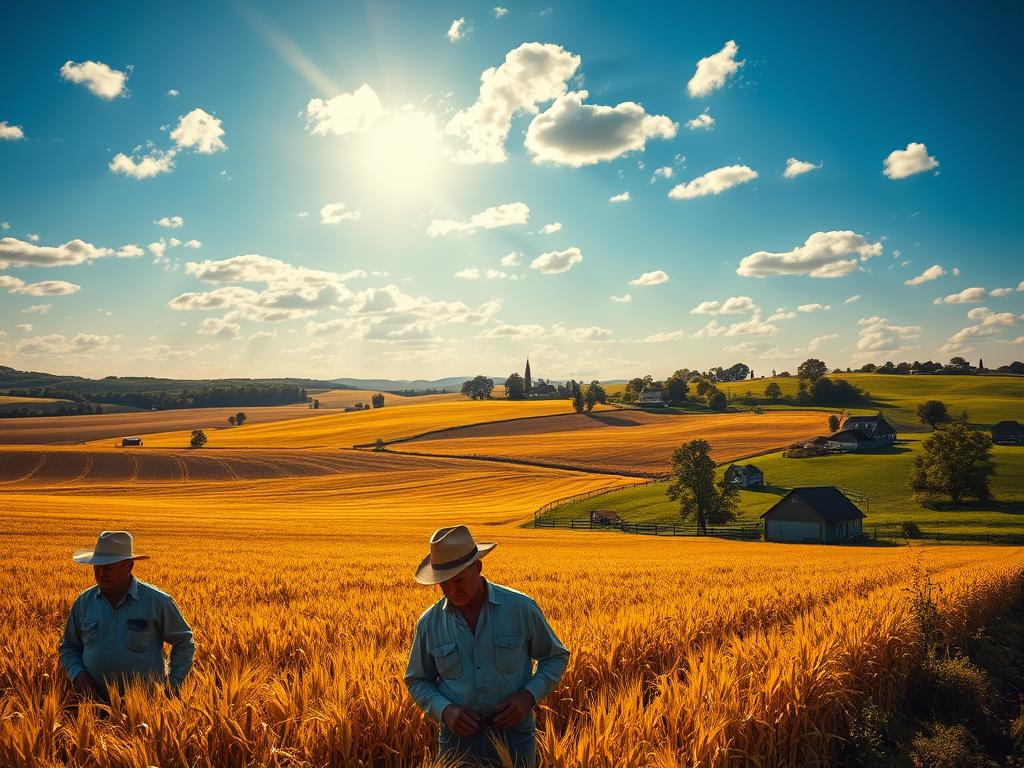
Sunlight, while a source of life, can paradoxically harbor a shadowy threat. In Pennsylvania, picturesque agricultural expanses have come under the scientific spotlight for an unsettling revelation—counties living in close quarters with cultivated lands are witnessing elevated rates of melanoma. This discovery was recently underscored by researchers at Penn State, who meticulously analyzed regional data to uncover these alarming health trends. The pattern, emerging from fields of grain and green pastures, suggests that the beauty of the land may conceal a hidden hazard.
Intriguingly, the link between agricultural regions and higher melanoma rates in Pennsylvania might not be as far-fetched as it first seems. The nature of farming involves prolonged exposure to the sun, which could result in an increased risk for skin cancer among those in these areas. It’s possible that an occupational hazard is silently at play, where both the laborers in the fields and the communities nearby are inadvertently overexposed to ultraviolet radiation, a key risk factor for melanoma.
It’s not just about the hours under the sun but also how we prepare and protect ourselves against it. Unfortunately, adequate sun protection measures may often be overlooked or underestimated in rural, agricultural settings, where sun exposure is part of daily life rather than a leisure activity. This highlights a potential gap in public health initiatives aimed at raising awareness and distributing protective resources to at-risk populations.
The burgeoning melanoma rates also call for a deeper examination of how agricultural chemicals might play a role in exacerbating skin cancer risks. Penn State’s findings might be the tip of the iceberg, urging further research into how pesticides—commonly used in farming—could interact with UV radiation to elevate cancer risks. Understanding the broader environmental and chemical conditions at play is essential for crafting thorough health recommendations and regulatory policies.
In conclusion, while Pennsylvania’s farmlands are vital to economic livelihoods, they may also shelter an unseen public health concern. This study serves as a sobering reminder of the need for both targeted sun safety education and comprehensive environmental health research. As communities and policymakers grapple with these revelations, the focus should pivot towards fostering environments that safeguard their residents not just economically, but health-wise, ensuring that the nourished lands don’t itself seed danger.