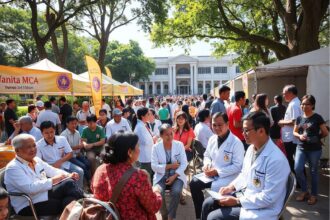
In a recent announcement that underscores the persistent challenges of public health in remote regions, the Nunatsiavut Government alongside Newfoundland and Labrador Health Services has reported an outbreak of tuberculosis. This revelation has raised alarm within the community, highlighting the ongoing need for robust health measures and awareness efforts in areas that may not have immediate access to extensive medical facilities.
Tuberculosis, a bacterial infection predominantly impacting the lungs, remains a significant public health threat globally, particularly in areas with limited medical infrastructure. The resurgence of such cases in Nunatsiavut, a region known for its rich Inuit heritage, adds complexity to managing public health crises due to geographical and logistical barriers. The challenge here is not only in treatment but also in ensuring these communities have the necessary support and resources to prevent future outbreaks.
Historically, Indigenous communities have faced disproportionate health outcomes due to systemic inequalities, including access to healthcare services. This outbreak serves as a critical reminder of the importance of culturally sensitive health initiatives that cater specifically to the needs of such communities. Health authorities must prioritize tailored healthcare strategies that incorporate local knowledge and practices to effectively combat health issues like tuberculosis.
Moreover, the current situation in Nunatsiavut spotlights the significance of early detection and comprehensive public awareness campaigns. Community engagement and education play a pivotal role in reducing stigma and encouraging individuals to seek medical attention at the first sign of symptoms. Providing transparent communication about both the risks and the steps being taken to control the outbreak can empower communities to take decisive action.
In conclusion, the tuberculosis outbreak in Nunatsiavut is a clarion call for ongoing investment and innovation in Indigenous healthcare. It is an opportunity to reassess how health systems can be made more resilient and inclusive, ensuring that all populations have equal access to quality medical care. As the situation unfolds, it will be crucial for health authorities to collaborate closely with local leaders to forge a path that not only addresses the current crisis but also fortifies the community against future health challenges.